
 Established UK Brand
 PayPal Credit
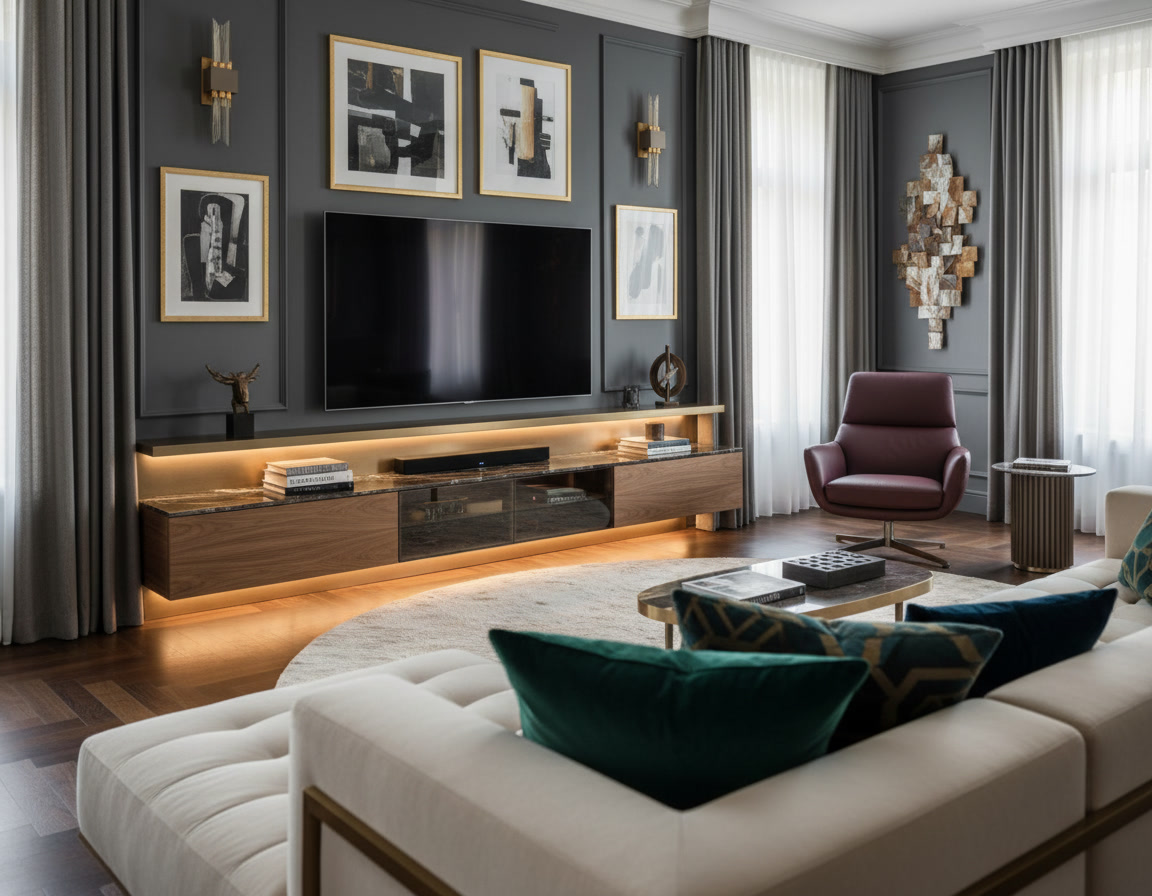
A 65 inch television has become one of the most popular screen sizes in UK homes. It offers a cinema like viewing experience without taking over the entire room. But once the TV arrives, many people quickly realise the stand they already have may not actually suit it.
The relationship between a television and its stand is not just about whether the TV physically fits. It is about stability, proportion, viewing comfort and overall room balance. A TV that sits on a stand that is too small can look unstable and awkward. A stand that is too large can overwhelm the space and make the room feel unbalanced.
Shop NowChoosing the correct TV stand size ensures the television feels secure, visually balanced and comfortable to watch. It also allows room for additional equipment such as soundbars, gaming consoles or media players.
Understanding the Actual Width of a 65 Inch TV
One of the most common misconceptions is that a 65 inch television is actually 65 inches wide. In reality, the measurement refers to the diagonal screen size.
A typical 65 inch TV is usually around 145 cm wide, though this can vary slightly depending on the manufacturer and frame thickness. Because of this, the TV stand should always be wider than the television itself.
As a general rule, the stand should extend beyond the TV on both sides. This not only improves stability but also makes the setup look more balanced within the room.
A good guideline for a 65 inch television is:
This extra space gives the television a solid visual base and prevents the setup from looking top heavy.
The Golden Rule for TV Stand Width
For example:
TV width: 145 cm
Recommended stand width: 160 cm
This gives roughly 7 cm of additional space on each side. Visually, this helps anchor the TV and prevents the setup from looking like it might tip over.
Many UK homeowners prefer stands closer to 170 or 180 cm wide, especially in larger living rooms. The additional width allows space for decorative items, speakers or lighting.
However, if the room is smaller, a 150 to 160 cm stand usually works perfectly.
Considering the Layout of Your Living Room
While measurements matter, the room layout also plays a big role in choosing the correct TV stand size.
In smaller UK living rooms, oversized media units can quickly dominate the space. Even if the stand technically fits the television, it may feel too bulky once placed in the room.
Look at the distance between walls, sofas and walkways. The TV stand should allow enough circulation space so that movement through the room feels natural.
If the television sits opposite a sofa, ensure there is enough distance between seating and the screen for comfortable viewing. For a 65 inch TV, many living room layouts work best with a viewing distance between 2.5 and 3 metres.
This distance allows the screen to feel immersive without overwhelming the viewer.
TV Stand Depth and Stability
Width is not the only factor. Depth also plays an important role.
Most modern TV stands have a depth between 40 cm and 50 cm. This depth provides enough surface area to support the TV safely while still leaving space for accessories.
If you plan to place a soundbar in front of the television, make sure the stand depth allows enough space without blocking the screen or remote signal.
A deeper stand can also provide additional storage. Many modern TV units include drawers, shelves or cabinets that help keep cables, remotes and media equipment organised.
This is particularly useful in UK living rooms where storage space is often limited.
Matching the TV Stand Style to the Room
Beyond size, the style of the TV stand should complement the rest of the living room furniture.
Modern interiors often favour clean lined media units with slim frames and neutral finishes. Light wood tones, matte black finishes and soft grey units remain popular choices.
In more contemporary spaces, high gloss TV units or units with integrated LED lighting are often used to create a more modern look.
If your living room includes sideboards, coffee tables or shelving, try to maintain some consistency in materials or colour tones. This creates a cohesive and balanced room rather than a collection of unrelated pieces.
The TV stand may sit against the wall, but visually it often becomes one of the focal points of the living room.
Mini Summary
A 65 inch television typically measures around 145 cm wide, which means the TV stand should always be wider. For most UK homes, a stand between 160 cm and 180 cm offers the best balance of stability and visual proportion. Depth, layout and viewing distance also influence the final decision.
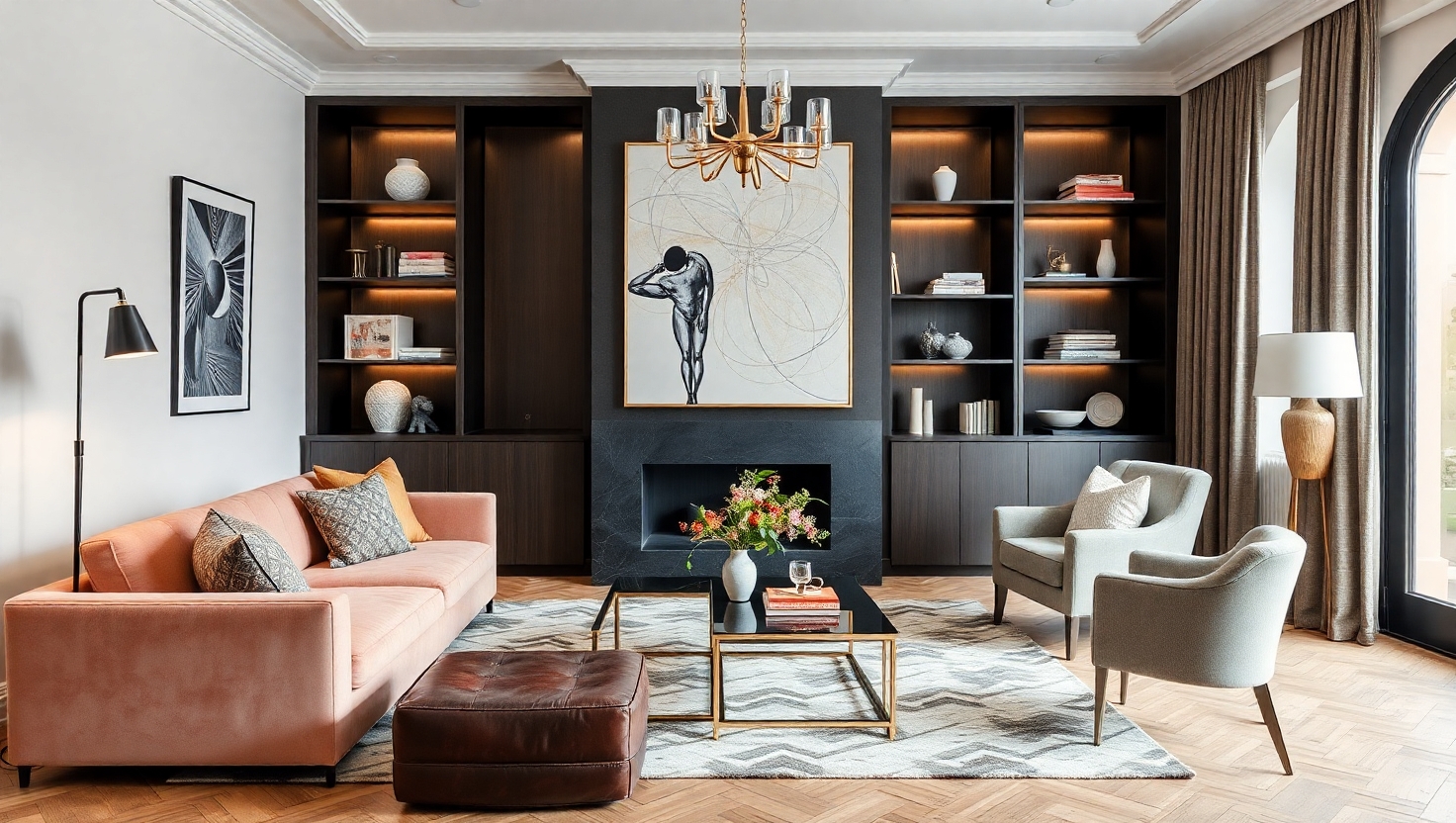
Once the correct width has been determined, the next important factor is height. Many people focus entirely on whether the television fits the stand, but viewing comfort is equally important. If the stand is too high or too low, watching television for long periods can become uncomfortable.
The goal is to position the centre of the television screen roughly at eye level when seated. This reduces neck strain and creates a more natural viewing experience.
In most UK living rooms, the average sofa seat height is around 45 cm. When seated comfortably, eye level usually falls somewhere between 95 cm and 105 cm from the floor. For a 65 inch television, the centre of the screen typically sits about 45 cm to 50 cm above the bottom edge of the TV.
When these measurements are combined, most homes benefit from TV stands that are between 45 cm and 60 cm high. This range keeps the screen within a comfortable viewing position without making the setup feel too low or too tall.
Lower TV units have become particularly popular in modern interiors because they help keep the television visually balanced within the room. A lower profile unit
Once width and height have been considered, the final step is choosing a TV stand that works with the rest of the living room. A television is often one of the largest visual elements in the space, which means the stand beneath it naturally becomes part of the room’s design.
In many UK homes, the TV unit sits opposite the main sofa and therefore acts as a focal point. If the stand looks too small or overly bulky, it can throw off the entire balance of the room.
Modern living rooms often favour TV units with simple lines and practical storage. Units with doors help hide cables, remotes and electronics, while open shelving makes it easy to access media devices and gaming consoles.
Materials also influence how heavy or light a TV stand appears visually. For example, darker wood finishes can feel more substantial and grounding, while lighter oak or soft grey tones can help the unit blend naturally into the room.
If your living room already includes coffee tables, sideboards or shelving, try to maintain some consistency in colour or materials. A matching tone or similar finish helps the space feel coordinated without everything looking identical.
In smaller UK living rooms, TV stands with slim legs or floating wall mounted units can make the room feel more open. When furniture sits slightly above the floor, light can pass underneath it, which creates a sense of space.
A TV stand is rarely just a platform for the television. In most homes, it becomes the centre of media storage.
Many people place several devices near their TV, such as:
Without proper storage, cables and equipment can quickly make the living room feel cluttered.
This is why many modern TV units include built in cable management holes and hidden compartments. These small features make a big difference to how tidy the setup looks once everything is connected.
Drawers can also be useful for storing remote controls, instruction manuals or smaller electronics. Closed storage keeps the visual focus on the television rather than the equipment around it.
When selecting a TV stand, consider how many devices you plan to connect and ensure the unit includes enough shelving or compartments to accommodate them.
Another important factor that many people overlook is weight capacity. Modern 65 inch televisions are lighter than older models, but they still need a stable base.
Most TV stands designed for televisions of this size can comfortably support between 40 kg and 60 kg, which is more than enough for modern flat screen TVs. However, if the stand includes glass shelves or decorative elements, always check the manufacturer’s recommended weight limit.
A sturdy TV stand prevents wobbling and ensures the television remains stable even if the surface is bumped slightly.
If you have children or pets at home, stability becomes even more important. Some homeowners choose to anchor the television to the wall using safety straps while still placing the TV on a stand. This prevents accidental tipping.
Where the TV stand is positioned can influence how spacious the room feels. In most homes, the unit sits against the longest wall, directly facing the sofa.
This arrangement works well because it creates a natural viewing axis and keeps walkways clear. However, smaller flats or open plan layouts sometimes require alternative arrangements.
If the room is narrow, placing the TV stand along the shorter wall can sometimes create a better viewing distance. The key is to maintain enough space between the television and the seating area.
For a 65 inch TV, many viewing experts recommend a distance of approximately 2.5 to 3 metres from the screen. This allows the viewer to enjoy the full size of the display without feeling overwhelmed by the image.
Lighting also plays a role. Avoid placing the television directly opposite bright windows, as reflections can reduce screen visibility. If this cannot be avoided, consider using curtains or blinds to control daylight during viewing.
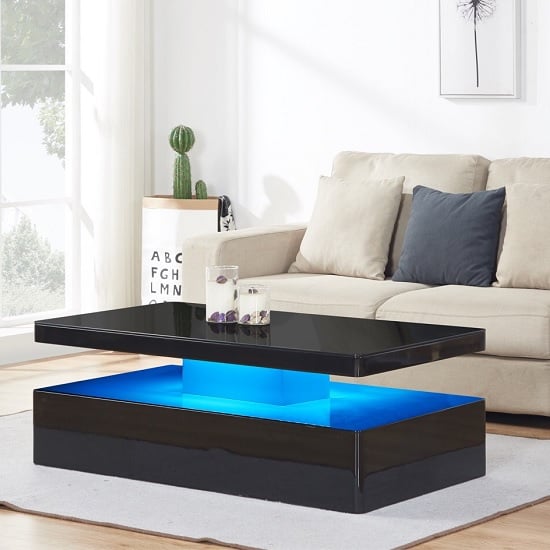
A well sized TV stand contributes to the overall balance of the living room. When the television sits comfortably within the width of the stand, the entire setup feels grounded.
To create a balanced arrangement, many homeowners place decorative items on either side of the television. This might include small plants, books, candles or framed photos. These elements soften the look of the media unit and help it feel integrated into the room rather than purely functional.
However, moderation is important. Too many decorative objects can distract from the television and make the space appear cluttered.
A simple approach often works best. One or two items on each side of the screen usually provide enough visual interest without overwhelming the space.
Several common mistakes occur when people buy a TV stand for a large television.
One of the most frequent errors is choosing a stand that is exactly the same width as the TV. This often looks unstable because the screen appears to sit directly on the edge of the furniture.
Another mistake is selecting a stand that is far too large for the room. While larger units can provide extra storage, they may dominate smaller living rooms and reduce circulation space.
Some homeowners also overlook height, which can result in televisions being positioned too high or too low. Watching television should feel natural and comfortable rather than forcing you to adjust your posture.
Finally, it is important to consider cable management. Units without proper openings for cables can quickly lead to visible wires and tangled connections.
A 65 inch television typically measures around 145 cm wide, which means the TV stand should always be wider than the screen. For most UK homes, a stand between 160 cm and 180 cm wide offers the best balance. The ideal height is usually between 45 cm and 60 cm, allowing the screen to sit comfortably at eye level when seated. Choosing a stand with storage, cable management and a stable frame will help keep the living room organised and visually balanced.
Frequently Asked Questions
What size TV stand should I get for a 65 inch TV?
A TV stand between 160 cm and 180 cm wide usually works best for a 65 inch television. This allows the screen to sit comfortably within the width of the furniture and creates a balanced look.
How high should a TV stand be for a 65 inch TV?
Most TV stands for a 65 inch television are between 45 cm and 60 cm high. This keeps the centre of the screen close to eye level when seated on a sofa.
Can a 65 inch TV fit on a 150 cm TV stand?
Yes, in many cases a 150 cm stand can support a 65 inch television, but a slightly wider stand around 160 cm often looks more balanced and provides additional stability.
How much weight can a TV stand hold?
Most TV stands designed for large televisions can support between 40 kg and 60 kg. Always check the product specifications to ensure it safely supports your TV.
Is it better to mount a TV or place it on a stand?
Both options work well depending on the room layout. A TV stand provides storage and flexibility, while wall mounting can create a more minimal look.
Final Thoughts
Choosing the right TV stand for a 65 inch television is about more than simply finding a surface that holds the TV. The stand should support the television safely, complement the living room design and provide enough storage to keep the space organised.
By selecting a stand that is slightly wider than the TV, positioned at the correct height and suited to the room layout, the entire viewing area will feel more balanced and comfortable.
When the proportions are right, the TV stand becomes more than just furniture. It becomes a natural part of the living room, supporting both the television and the overall atmosphere of the space.