Established UK Brand
 PayPal Credit
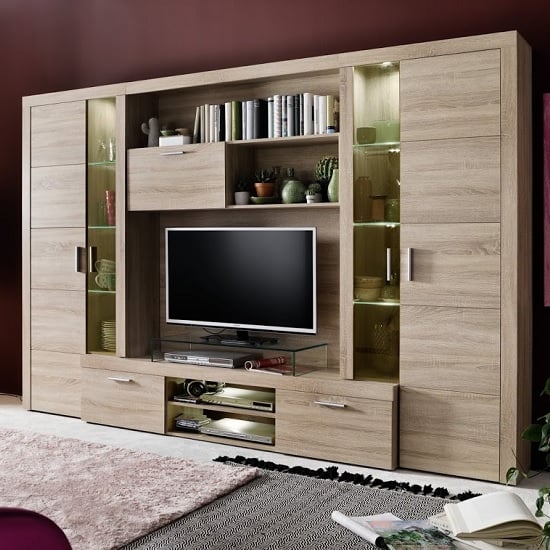
Small living rooms are not a niche problem in the UK. They are the default for a large part of the housing stock. From Victorian terraces with narrow proportions to post-war semis, converted flats, and compact new builds, many homes are designed around efficiency rather than excess space. As a result, living room furniture has to work harder than ever before.
In smaller UK homes, the living room often carries multiple roles. It may double as a place to relax, entertain, work, and store everyday items. The challenge is not simply fitting furniture into the room, but allowing the space to function comfortably once everything is in place. When furniture choices are wrong, rooms quickly feel cramped, awkward, and difficult to live in.
This is why modern living room furniture has become increasingly relevant in compact spaces. At its best, modern design focuses on proportion, clarity, and function rather than decoration. These qualities translate well to smaller rooms, where visual calm and physical flow matter more than statement pieces.
Shop NowOne of the most common misconceptions is that small rooms require small furniture at all costs. In reality, the issue is rarely size alone. It is proportion and placement that determine whether a room feels balanced or overcrowded. A poorly chosen small sofa can feel just as disruptive as an oversized one if it blocks walkways or dominates sightlines.
UK living rooms also tend to have fixed features that limit layout options. Fireplaces, radiators, bay windows, and door placements often dictate where furniture can realistically go. This makes flexibility essential. Furniture that only works in one configuration quickly becomes a constraint rather than a solution.
Another factor is light. Many small living rooms rely on a single window or borrowed light from adjacent spaces. Heavy furniture, dark finishes, and bulky silhouettes can absorb light and make the room feel closed in. Modern furniture designs often address this through raised legs, slimmer frames, and cleaner lines that allow light to move more freely through the space.
There is also the question of circulation. In compact rooms, movement paths matter. Furniture that looks fine in isolation can disrupt how the room is used day to day if it blocks natural walking routes. Modern living room furniture often prioritises openness and flow, which supports easier movement without constant rearranging.
It is important to recognise that “small” does not mean the same thing in every home. A narrow terrace living room presents different challenges to a square flat lounge or an open-plan space shared with dining or kitchen areas. What they have in common is the need for furniture that respects the room rather than competing with it.
This is where modern furniture choices can quietly improve everyday living. By focusing on scale, legibility, and adaptability, they allow rooms to feel more spacious without pretending to be larger than they are. The goal is not to hide the size of the room, but to make it work comfortably.
In small UK homes, good furniture choices create breathing room. They allow walls to remain visible, floors to stay clear, and the room to feel intentional rather than improvised. This sense of order has a noticeable impact on how the space is used and enjoyed.
Understanding this context is the foundation for making better decisions. Before thinking about individual items, it helps to accept that small living rooms require a different mindset. Success comes from choosing furniture that supports proportion, movement, and flexibility, rather than chasing scale or trend.
In the next section, the focus will shift from context to practical decision-making. We will look at how to choose sofas, storage, and key furniture pieces that suit small UK living rooms, and how layout thinking can transform how the space feels without increasing its size.
Once the realities of small UK living rooms are understood, the focus shifts to decision-making. This is where good intentions often fall apart. Many rooms end up overcrowded not because of a lack of space, but because furniture choices are made in isolation rather than as part of a system.
The most important principle is that every key piece must earn its place. In compact rooms, furniture is never neutral. Each item either supports the room’s flow or quietly works against it.
The sofa usually sets the tone for the entire space. In small UK living rooms, it is rarely the size of the sofa that causes issues, but its proportions and positioning.
Sofas with slim arms and a visible base tend to sit more comfortably in compact rooms. Raised legs allow light to pass underneath, which makes the room feel more open. Shallow to medium seat depths also help preserve walking space, particularly in narrow rooms where circulation is limited.
The common advice to “go smaller” can be misleading. A sofa that is too small for the room can feel underwhelming and leave awkward gaps that are hard to furnish. Instead, the aim is balance. A well-proportioned two seater or a compact three seater often works better than expected, especially when paired with lighter surrounding furniture.
Placement matters just as much as size. In narrow rooms, sofas generally work best against the longest wall. Floating them in the middle can fragment the space unless the room is genuinely wide enough to support it.
You may come across layout guidelines such as the “two-thirds rule,” which suggests that a sofa should be around two-thirds the width of the wall it sits against. In small UK homes, this rule can be useful as a reference point rather than a strict formula.
What matters more is visual balance. The sofa should feel anchored without stretching from wall to wall. Leaving some breathing space at either end helps the room feel intentional rather than tightly packed.
Coffee tables, side tables, and storage pieces should follow the same logic. Compact rooms benefit from furniture that leaves negative space around it. This space is not wasted; it allows the room to function.
Storage is essential in small homes, but it is also one of the quickest ways to overcrowd a living room. The key is choosing fewer, more versatile storage pieces rather than filling every available wall.
Low-profile units often work better than tall, bulky cabinets. They keep sightlines open and reduce visual weight. In many rooms, a single well-chosen storage unit can replace several smaller pieces, creating a calmer overall look.
Modern living room furniture often integrates storage subtly. Sideboards, TV units, and shelving systems are designed to blend into the room rather than dominate it. This helps keep clutter contained without making the space feel busy.
Wall-mounted solutions can also be effective, but only when used sparingly. Overloading walls with shelves can make a small room feel boxed in. Balance remains the priority.
In compact UK homes, multifunctional furniture is often more practical than dedicated pieces. This does not mean compromising on comfort or appearance. It means choosing designs that adapt.
Examples include ottomans with hidden storage, nesting tables that can be separated when needed, or modular units that can be reconfigured over time. These pieces allow the room to respond to different uses without adding permanent bulk.
Flexibility is especially valuable in flats and rented properties, where layouts may change and long-term alterations are limited.
In small living rooms, visual weight matters as much as physical size. Heavy materials, dark finishes, and bulky detailing can make a room feel smaller than it is.
Lighter finishes, subtle textures, and consistent materials help create cohesion. This does not mean everything must be pale or minimal, but contrast should be used intentionally. A single darker piece can anchor the room, but too many competing elements quickly create clutter.
Modern furniture often focuses on cleaner lines and simpler forms, which naturally suit smaller spaces. These designs allow personality to come through in softer ways, such as through fabric choice or accent pieces, rather than sheer scale.
One of the most common mistakes in small UK living rooms is trying to include too many functions in one space without prioritisation. Not every room needs a sofa, armchair, coffee table, side tables, shelving, and display units.
Another trap is pushing all furniture against the walls in an attempt to “create space.” In some rooms, pulling a sofa slightly away from the wall can actually improve balance and circulation, even if it seems counterintuitive.
The goal is not to fill the room, but to support how it is used day to day. When layout decisions are guided by movement, light, and proportion, small living rooms become easier to live in.
In the final section, the focus will move to confidence and longevity. We will look at how to avoid regret, how to think about long-term value in small spaces, and how to bring everything together without overthinking the room.
By the time a small living room feels settled, it is rarely because every trend has been followed or every surface filled. It is because the space works. Furniture choices that respect proportion, movement, and everyday use tend to age far better than those made in response to short-term inspiration.
One of the most important long-term considerations in small UK homes is adaptability. Rooms rarely stay the same forever. Furniture that can adjust to new layouts, different homes, or changing routines reduces the pressure to replace items prematurely. This is why pieces that are easy to move, reconfigure, or repurpose often prove to be better investments over time.
In compact living rooms, durability also plays a role. Furniture is used more intensively when space is limited. Sofas become the main seating, storage works harder, and surfaces see daily use. Choosing well-made pieces with solid construction helps maintain comfort and appearance long after the initial setup.
Many frustrations come from decisions that seemed sensible at the time. One common mistake is choosing furniture based purely on appearance without considering how it will be used. A beautiful piece that interrupts circulation or blocks light quickly becomes a source of irritation.
Another mistake is overfurnishing. Small rooms do not need to prove their function through quantity. Often, removing one unnecessary item improves the space more than adding another. Leaving areas clear allows the room to breathe and makes everyday movement easier.
Ignoring scale is another frequent issue. Even modern furniture can feel overwhelming if proportions are wrong. Measuring carefully and visualising furniture in the room before committing helps avoid this.
Finally, there is a tendency to chase trends in an attempt to make small rooms feel current. While some modern elements translate well, trend-led choices date quickly in compact spaces. A calmer, more timeless approach usually delivers better long-term satisfaction.
Confidence comes from understanding priorities. In small UK living rooms, these priorities tend to be comfort, function, and proportion. When these are addressed, style follows naturally.
It helps to view the room as a whole rather than a collection of individual items. Each piece should relate to the others, either through scale, finish, or function. This creates cohesion, which is particularly important when space is limited.
Furniture that works well in small rooms often disappears into the background in the best possible way. It supports daily life without constantly drawing attention to itself. This quiet effectiveness is often what people appreciate most over time.
A well-furnished small living room does not feel compromised. It feels intentional. Modern living room furniture, when chosen thoughtfully, can support this by offering clarity, flexibility, and balance.
Rather than fighting the size of the room, successful spaces work with it. They accept constraints and use them to guide better choices. The result is a room that feels comfortable, practical, and welcoming, regardless of its dimensions.
Small living rooms are common in UK homes, and modern furniture choices can make them easier to live with. Prioritising proportion, circulation, and flexibility leads to spaces that feel calm rather than crowded. Fewer, better-chosen pieces tend to deliver more comfort and long-term satisfaction than trying to fit everything in.
It suggests a sofa should be around two-thirds the width of the wall behind it. In small rooms, it is best used as a guideline rather than a strict rule.
Yes. Many modern designs focus on proportion and simplicity, which can work well alongside period features.
Choose fewer pieces, keep sightlines open, and prioritise furniture that serves more than one function.
Lighter finishes often help rooms feel more open, but darker pieces can work when used sparingly and balanced with good lighting.
Sets can simplify decisions, but mixing pieces carefully often leads to a more flexible and personal result.

Payment options:







 Trusted UK Furniture Retailer
 Free Delivery Most UK
 Secure Payments
 Established UK Brand
 Pay Pal Credit


Payment options: