Established UK Brand
 PayPal Credit
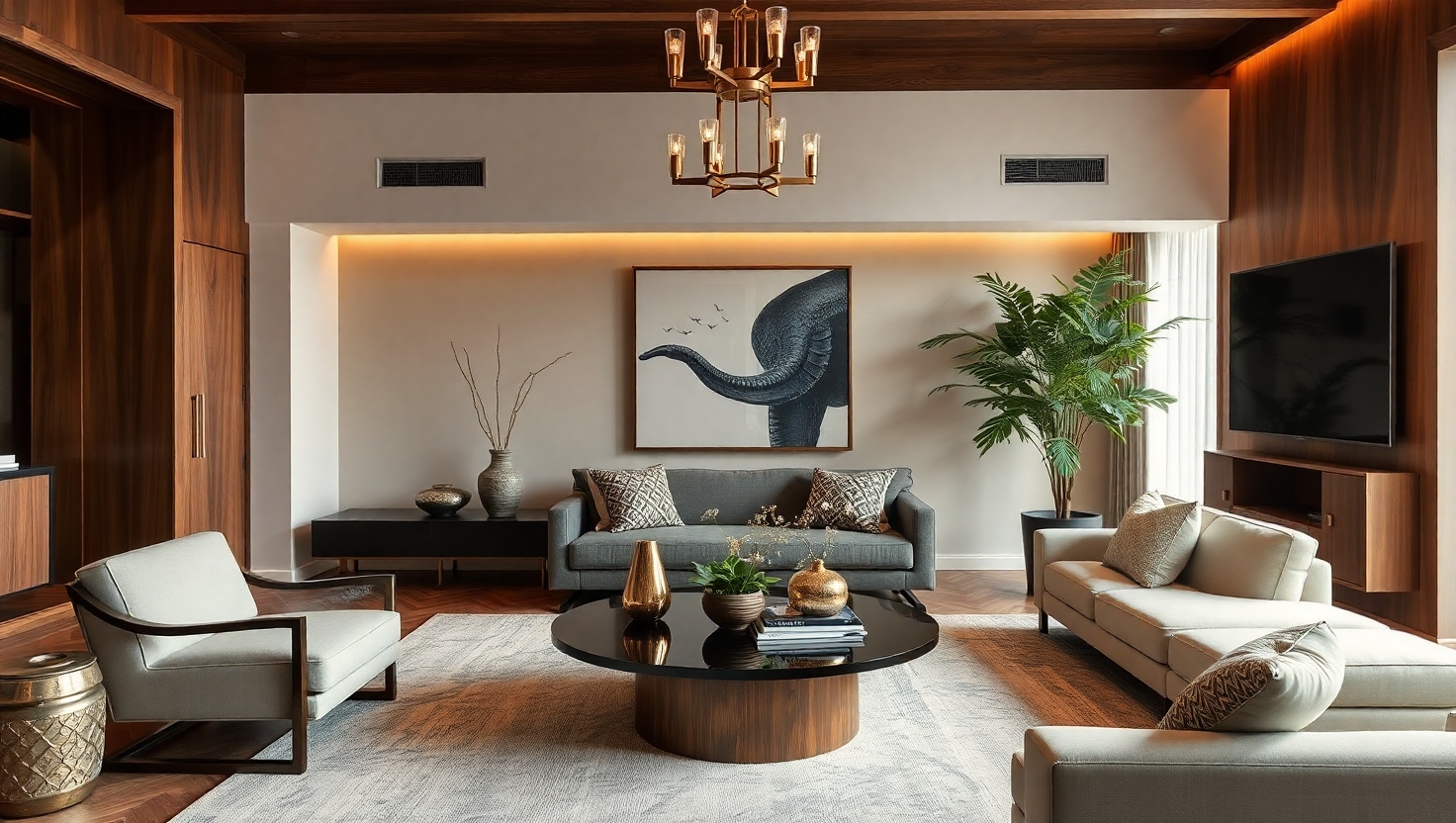
The living room is rarely just one thing.
In many UK homes, it is the television room, the entertaining space, the reading corner, the play area, and sometimes even the home office. Especially in terraced houses, semi detached homes, new build estates, and city flats, the living room has to work harder than ever before.
Yet when people search for living room furniture, what they often struggle with is not what to buy, but where to put it.
Shop NowYou can have a beautiful sofa, a stylish coffee table, and a well designed TV unit, but if the layout feels awkward, the whole room feels unsettled. A poor layout makes a space feel smaller. A thoughtful layout makes even a compact room feel calm and intentional.
This guide explores how to plan living room furniture layouts that actually work in real UK homes. It is not about copying Pinterest images. It is about proportion, movement, balance, and choosing furniture that supports the way you actually live.
When customers browse living room furniture UK collections, they usually focus on colour, fabric, or finish. Those choices matter, but layout matters more.
A good layout does four important things.
First, it creates flow. You should be able to walk through the room naturally without weaving around furniture or squeezing past corners.
Second, it defines purpose. Is this a social room for conversation, or a cinema style space focused around the television? Is it multi functional? The furniture layout should reflect that decision.
Third, it supports scale. Furniture must suit the size of the room. A deep corner sofa can dominate a narrow Victorian lounge. A tiny two seater can feel lost in an open plan extension.
Fourth, it supports comfort. Seating should face each other at sensible distances. Coffee tables should be within reach. Lighting should support both evening relaxation and daytime brightness.
When these fundamentals are right, the room feels balanced even before you add accessories.
Every living room furniture layout should begin with one anchor. In most UK homes, that is the sofa.
The sofa is usually the largest item in the room and sets the visual weight. It influences where everything else goes.
Before placing anything, ask three simple questions.
Where is the natural focal point
Is it a fireplace, a window, or the television
Where are the main walkways
You need at least 60 to 75 centimetres of clear circulation space in busy areas.
What is the room shape
Long and narrow rooms require a different approach from square rooms.
Once you understand those three elements, place the sofa first. Not the coffee table. Not the rug. The sofa.
For example, in a traditional UK terrace with a long rectangular lounge, placing the sofa along the longest wall often creates better flow. In a square new build lounge, floating the sofa slightly away from the wall can create a more considered layout.
The mistake many people make is pushing every item against the walls. That often makes a room feel less cohesive, not more spacious.
This is the most common layout in UK homes.
The television becomes the focal point, and seating is arranged around it.
To do this well:
In smaller living rooms, a compact TV stand with integrated storage helps reduce clutter. Wall mounted units can free up floor space and make the room feel lighter.
If space allows, adding a secondary chair at a slight angle softens the layout and creates flexibility for conversation.
The key is balance. The television should not overpower the room. A well styled media wall with shelving or subtle lighting creates cohesion rather than dominance.
Not every living room needs to revolve around a screen.
In some homes, especially open plan spaces or formal lounges, conversation is the priority.
Here, the seating should face inward.
A classic approach is:
This arrangement creates intimacy and symmetry. It works particularly well in wider rooms.
In narrower spaces, two small sofas facing each other can create a similar effect, though proportions must be carefully measured.
When designing this type of layout, ensure the distance between seats is comfortable. Too close feels cramped. Too far feels disconnected.
Lighting becomes especially important in this format. Layered table lamps and floor lamps create warmth and reduce the harshness of ceiling lights.
Modern UK homes often require flexibility.
The living room may need to accommodate:
In these spaces, modular living room furniture becomes extremely valuable.
A modular sofa allows reconfiguration as needs change. Storage coffee tables reduce visible clutter. Sideboards or shelving units provide hidden storage for toys or technology.
In family layouts:
Zoning is particularly important in open plan spaces. A rug beneath the sofa and coffee table visually separates the living area from dining or kitchen areas.
Furniture placement becomes a subtle way to divide without walls.
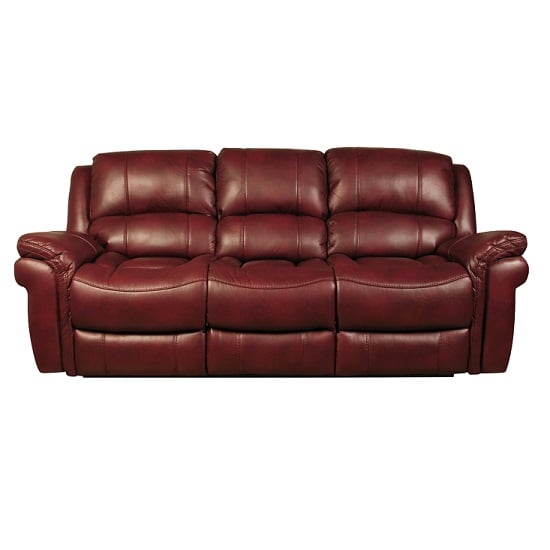
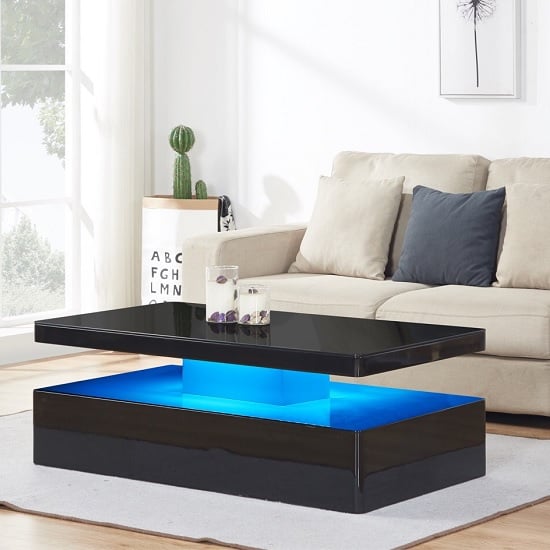
One of the biggest mistakes in living room furniture planning is ignoring scale.
A large sectional sofa in a compact flat can block natural light and reduce movement space. A very small coffee table in a large room can look visually lost.
Here are simple proportion guidelines:
In narrow UK lounges, slim profile sofas with raised legs create visual lightness. In larger rooms, deeper seating can feel more appropriate and inviting.
Always measure before purchasing. Sketching a rough layout on paper can prevent expensive mistakes.Designing the Layout Around Your Sofa in Small UK Living Rooms
Once the right sofa size and style have been chosen, the next challenge is layout. In small UK living rooms, placement often determines whether the room feels balanced or restricted. The sofa may be the largest piece, but it should not dominate circulation or block light.
The first principle is flow. Flow refers to how easily you can move through the space without obstruction. In many UK homes, the living room sits between the hallway and kitchen or opens directly from the front door. This means walkways are not optional. They are used daily.
Allow clear passage between doorways and seating areas wherever possible. Even a narrow living room should feel navigable. If the sofa sits opposite a television unit, ensure there is adequate distance for comfortable viewing without pushing other furniture tightly against walls.
In compact flats, floating the sofa slightly away from the wall can sometimes improve movement and visual balance. It sounds counterintuitive, but hugging every wall does not always maximise space. A few centimetres of breathing room can make the arrangement feel deliberate rather than forced.
Creating a Clear Focal Point
Every successful small living room has a focal point. In many UK properties this is the television or fireplace. In others it may be a large window or architectural feature.
Position the sofa in relation to that focal point rather than randomly against the longest wall. When the seating clearly faces a defined centre, the room feels structured. Without this clarity, even a well chosen sofa can feel misplaced.
If the room contains both a fireplace and a television, choose which element truly anchors daily life. Trying to orient the sofa toward both equally can create awkward angles and wasted space.
Where wall space is limited, corner positioning may make sense. A compact L shaped sofa placed into a corner can open the rest of the room for movement. However, measure carefully. Ensure that the corner configuration does not restrict access to windows, radiators or storage units.
Balancing the Sofa with Other Living Room Furniture
A sofa never exists alone. In small UK living rooms it must coexist with coffee tables, media units, shelving and sometimes additional seating.
When browsing living room furniture, it helps to visualise the whole arrangement rather than individual pieces. A slim sofa paired with a bulky media unit will still feel heavy. Proportion must be consistent across all items.
Coffee tables deserve particular attention. Large solid tables can close down space quickly. In compact rooms, consider nesting tables or open frame designs. These provide surface area without visually filling the floor.
If additional seating is required, choose one carefully scaled accent chair rather than multiple small stools. A single well placed chair opposite the sofa can create symmetry and sociability without overcrowding.
Rugs can also define the seating zone. In small living rooms, a rug that sits partially under the sofa helps anchor the arrangement. Avoid rugs that are too small, as they can make the room feel fragmented.
Storage Without Sacrificing Space
Small living rooms often double as storage hubs. Books, media equipment, household items and everyday essentials must be accommodated without creating clutter.
This is where thoughtful storage furniture becomes essential. When selecting storage furniture for living rooms, prioritise pieces that sit flush to walls and avoid excessive depth. Slimline sideboards, floating shelves and compact cabinets maintain functionality without narrowing walkways.
If your sofa is positioned opposite a TV unit, check that both depths combined still leave comfortable space between them. Even in tighter rooms, aim for enough clearance to walk comfortably without turning sideways.
Ottomans with internal storage can be useful, but ensure they are proportionate. Oversized ottomans in front of small sofas can disrupt balance.
Light, Mirrors and Visual Expansion
Beyond physical layout, visual expansion techniques can support the sofa arrangement. Mirrors placed opposite windows reflect light and create the illusion of depth. Glass topped coffee tables or slim metal frames allow more light to travel through the room.
Keep window treatments light where possible. Heavy curtains that pool on the floor can weigh down compact rooms. A streamlined blind or lighter fabric curtain often complements smaller layouts better.
If the sofa fabric is neutral, layering texture through cushions and throws adds warmth without increasing bulk. In small living rooms, texture is often more effective than strong pattern.
Avoiding Common Layout Mistakes
Certain mistakes appear frequently in small UK living rooms.
Placing a sofa that is too deep directly opposite a wall mounted TV can shrink central space significantly. Always check depth as well as width.
Blocking radiators completely can reduce heating efficiency and create awkward heat flow. If possible, position the sofa slightly away or use radiator covers that sit flush.
Overfilling corners with large cabinets or additional chairs often restricts natural light from windows. Prioritise openness near light sources.
Finally, do not underestimate delivery access. Many UK flats have narrow staircases. Measure hallways and entry points carefully before committing to dimensions.
Mini Summary
Part 2
is about arrangement rather than selection. The best sofa for a small UK living room will only perform well if positioned thoughtfully. Focus on flow, define a clear focal point, balance proportions across all furniture and maintain breathing space wherever possible. Storage and lighting should support the layout rather than compete with it.
Part 3
Creating a Living Room That Feels Bigger Than It Is
The final stage in choosing the best sofa for a small UK living room is not simply about dimensions. It is about how the room feels once everything is in place. A well chosen sofa should support the sense of space rather than draw attention to limitations. In compact homes especially, atmosphere matters just as much as measurements.
Small living rooms do not need to feel temporary or compromised. When furniture is selected with intention, the room can feel considered and complete. The sofa becomes the anchor, but it should never overwhelm the composition.
One of the most effective ways to make a small living room feel larger is to think in layers rather than blocks. Instead of heavy, solid shapes competing with one another, aim for variation in height, depth and texture. A sofa with slim legs can sit comfortably alongside a light coffee table and a streamlined media unit without creating visual congestion.
Colour continuity also plays a quiet but powerful role. When the sofa fabric sits within the same tonal family as the walls or flooring, the boundaries of the room feel softer. This does not mean everything should match perfectly. It means avoiding sharp contrast that visually chops the space into smaller pieces.
For example, a deep charcoal sofa against bright white walls in a narrow room may feel more dominant than a soft grey sofa that gently blends into a warm neutral backdrop. Small UK living rooms benefit from calm transitions rather than bold interruptions.
Lighting and Placement
Lighting can completely change how a sofa behaves in a small room. A bulky sofa placed directly in front of a window can block natural light and make the entire space feel compressed. Where possible, position seating to allow daylight to move freely through the room.
Layered lighting in the evening helps soften the edges of the space. A floor lamp placed behind or beside the sofa adds height and dimension. Wall lights can free up valuable floor space while maintaining warmth. Even a simple table lamp on a slim side table can create depth without clutter.
When planning placement, consider the natural focal point of the room. In many UK homes this may be a fireplace, a media unit or a window. The sofa should relate to that focal point in a balanced way. Floating a sofa slightly away from the wall, even by a few centimetres, can sometimes make the layout feel less rigid and more intentional.
Avoid pushing all furniture tightly against the perimeter unless the room is exceptionally narrow. Strategic spacing often creates more comfort than forced alignment.
Comfort That Lasts
A small living room does not mean comfort should be sacrificed. In fact, comfort becomes even more important because the sofa is likely to be used daily. Watching television, reading, working on a laptop or hosting guests all revolve around this one piece of furniture.
Seat height should allow easy sitting and standing. Seat depth should support upright posture rather than encourage slouching in a confined space. Cushions should retain their shape over time. In smaller rooms especially, sagging cushions quickly make the entire space feel tired.
When reviewing options under living room furniture, consider long term use rather than immediate visual appeal. A well structured frame and supportive cushioning will outlast short lived trends.
Durability matters too. UK living rooms often see high traffic, especially in flats where entrance areas may open directly into the main space. Hard wearing fabrics, stain resistant finishes and easy to clean materials provide reassurance without compromising style.
Common Mistakes to Avoid
Even with careful planning, small living rooms can fall into predictable traps.
Oversized arms are one of the most frequent issues. Wide padded arms reduce internal seating width and add unnecessary bulk. Slim profiles maximise usable space.
Excessively deep seats are another concern. Deep lounging sofas may appear inviting in a showroom but can dominate a compact living room. Balanced seat depth is usually more practical.
Overcrowding with additional seating is also common. Adding too many occasional chairs or large ottomans can restrict movement. It is often better to prioritise one well chosen sofa and a single versatile accent chair rather than multiple smaller pieces.
Finally, ignoring access can cause frustration. Many UK properties have narrow hallways or staircases. Always measure entry points carefully before confirming dimensions. A sofa that fits the room but cannot be delivered creates unnecessary complications.
Mini Reflection
The best sofas for small UK living rooms are not defined by size alone. They are defined by proportion, structure and restraint. They allow light to move. They support daily routines. They provide comfort without claiming more space than the room can give.
Small spaces demand thoughtful decisions, but they also reward them. When the sofa is right, everything else begins to feel easier.
TLDR
In small UK living rooms and flats, the best sofa is one that respects proportion rather than simply shrinking scale. Slim arms, raised legs and balanced seat depth help maintain flow. Two seaters and compact three seaters often offer the most flexibility, while carefully sized corner sofas and sofa beds can work in specific layouts. Fabric tone, lighting and placement all influence how spacious a room feels. When chosen thoughtfully, a sofa can make even the smallest living room feel settled, calm and complete.
Frequently Asked Questions
What size sofa is best for a small UK living room
Most small UK living rooms suit sofas between 140 cm and 200 cm in width, depending on layout. The key is not just width but depth and arm thickness. Slim arms and moderate depth usually work best.
Can a corner sofa work in a flat
Yes, provided the layout allows for it. Compact corner sofas can maximise seating in square rooms or open plan flats. Oversized chaise sections should be avoided in tight spaces.
Are lighter coloured sofas better for small rooms
Lighter tones often help reflect light and create a more open feel, but balance is important. Soft neutrals or muted tones generally work well in smaller UK living rooms.
Is a sofa bed practical for everyday use
Modern sofa beds can be both comfortable and compact. In small flats where guest space is limited, a well designed sofa bed provides flexibility without overwhelming the room.
Where can I explore sofas suited to UK homes
You can explore a wide range of sofas for UK homes here: https://www.furnitureinfashion.net/sofa-furniture/
For complete coordination with your room, browse living room furniture here: https://www.furnitureinfashion.net/living-room-furniture/
If you are planning around storage or media units, see storage furniture for living rooms here: https://www.furnitureinfashion.net/storage-furniture/
Choosing the right sofa is rarely about making a room bigger. It is about making it work better.

Payment options:







 Trusted UK Furniture Retailer
 Free Delivery Most UK
 Secure Payments
 Established UK Brand
 Pay Pal Credit


Payment options: