Established UK Brand
 PayPal Credit
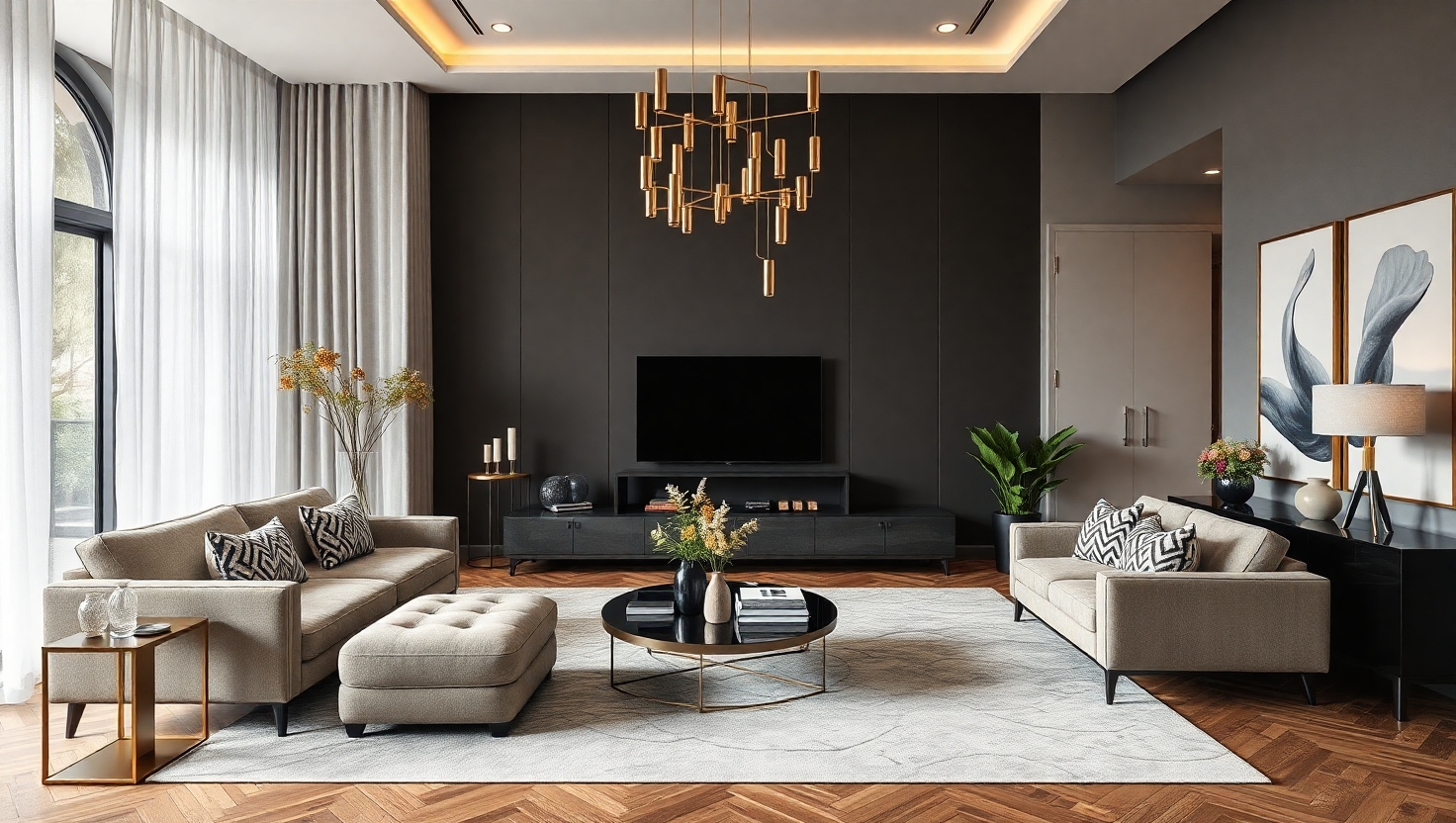
UK modern living rooms have quietly changed over the last decade. While the size of many homes has stayed the same, the expectations placed on living spaces have grown. Living rooms are no longer just places to sit and watch television. They are spaces where people relax after work, spend time with family, host friends, and increasingly manage parts of daily life such as working from home, online shopping deliveries, and storage overflow from other rooms.
Shop NowIn many UK properties, especially terraces and flats, the living room is often the largest usable space in the home. Bedrooms are kept private and functional, kitchens are designed for efficiency, and the living room becomes the shared space that absorbs everything else. This puts pressure on furniture choices. Pieces that are purely decorative or oversized tend to fail quickly because they do not support the reality of how the room is used.
Another factor that shapes living room furniture decisions in the UK is layout. Many living rooms are long rather than wide, with doors at either end, fireplaces, alcoves, or radiators dictating where furniture can realistically go. These architectural features are part of the character of UK homes, but they also limit flexibility. Furniture needs to work around these fixed elements rather than fight against them.
This is why living room furniture that works well in real UK homes often looks quieter than showroom displays. It is not about filling every wall or creating symmetry for the sake of appearance. It is about choosing pieces that allow the room to function smoothly day to day. When furniture is well proportioned, movement through the room feels natural. When it is not, even a well decorated space can feel uncomfortable.
Comfort also plays a different role in UK living rooms compared to aspirational interiors. A sofa may look impressive in a staged setting, but if it is too deep, too low, or too firm for everyday use, it quickly becomes a source of frustration. Living rooms are places where people spend long periods of time, not just short moments. Furniture needs to support that reality.
Lighting conditions further influence how furniture behaves in UK homes. Many living rooms rely on a combination of natural light from one side and artificial lighting in the evenings. Dark, bulky furniture can absorb light and make spaces feel smaller, while lighter forms and balanced layouts help maintain a sense of openness. This does not mean everything needs to be pale or minimal, but proportion and placement become more important.
Another overlooked aspect is how living rooms evolve over time. A room that works for a couple may need to adapt for children, home working, or changes in routine. Furniture that is too rigid or trend driven often struggles to adapt. This is why modern living room furniture that works well in the UK tends to prioritise flexibility, comfort, and longevity over statement appeal.
When living room furniture is chosen with these realities in mind, the room becomes easier to live in. It supports everyday routines rather than disrupting them. This is the foundation of a living room that feels settled rather than constantly in need of adjustment.
While the size of many homes has stayed the same, the expectations placed on living spaces have grown. Living rooms are no longer just places to sit and watch television. They are spaces where people relax after work, spend time with family, host friends, and increasingly manage parts of daily life such as working from home, online shopping deliveries, and storage overflow from other rooms.
In many UK properties, especially terraces and flats, the living room is often the largest usable space in the home. Bedrooms are kept private and functional, kitchens are designed for efficiency, and the living room becomes the shared space that absorbs everything else. This puts pressure on furniture choices. Pieces that are purely decorative or oversized tend to fail quickly because they do not support the reality of how the room is used.
Another factor that shapes living room furniture decisions in the UK is layout. Many living rooms are long rather than wide, with doors at either end, fireplaces, alcoves, or radiators dictating where furniture can realistically go. These architectural features are part of the character of UK homes, but they also limit flexibility. Furniture needs to work around these fixed elements rather than fight against them.
This is why living room furniture that works well in real UK homes often looks quieter than showroom displays. It is not about filling every wall or creating symmetry for the sake of appearance. It is about choosing pieces that allow the room to function smoothly day to day. When furniture is well proportioned, movement through the room feels natural. When it is not, even a well decorated space can feel uncomfortable.
Comfort also plays a different role in UK living rooms compared to aspirational interiors. A sofa may look impressive in a staged setting, but if it is too deep, too low, or too firm for everyday use, it quickly becomes a source of frustration. Living rooms are places where people spend long periods of time, not just short moments. Furniture needs to support that reality.
Lighting conditions further influence how furniture behaves in UK homes. Many living rooms rely on a combination of natural light from one side and artificial lighting in the evenings. Dark, bulky furniture can absorb light and make spaces feel smaller, while lighter forms and balanced layouts help maintain a sense of openness. This does not mean everything needs to be pale or minimal, but proportion and placement become more important.
Another overlooked aspect is how living rooms evolve over time. A room that works for a couple may need to adapt for children, home working, or changes in routine. Furniture that is too rigid or trend driven often struggles to adapt. This is why modern living room furniture that works well in the UK tends to prioritise flexibility, comfort, and longevity over statement appeal.
When living room furniture is chosen with these realities in mind, the room becomes easier to live in. It supports everyday routines rather than disrupting them. This is the foundation of a living room that feels settled rather than constantly in need of adjustment.
One of the biggest mistakes people make with living room furniture is treating it as a short-term decision. In reality, the living room is usually the most lived-in space in the home, and the furniture within it tends to stay in place for years rather than months. This makes long-term thinking essential, particularly in UK homes where layouts are often fixed and space is limited.
Furniture that works well long term is rarely the most eye-catching at first glance. Instead, it is furniture that continues to feel comfortable, practical, and appropriate as daily routines evolve. A sofa that supports different ways of sitting, storage that adapts to changing needs, and tables that remain useful beyond their initial purpose all contribute to a living room that still feels right over time.
Flexibility is increasingly important in modern UK living rooms. Many households now expect their living space to support more than one activity. Watching television, relaxing, entertaining guests, and working from home often happen in the same room. Furniture that allows the space to shift subtly between these uses without constant rearranging tends to perform better in the long run.
This is where modular and coordinated living room furniture becomes valuable. Modular sofas can be reconfigured to suit new layouts. Coordinated furniture ranges make it easier to add or replace individual pieces without disrupting the overall look of the room. Rather than committing to a fixed layout, homeowners can adjust the space gradually as needs change.
Storage plays a crucial role in how long a living room continues to feel functional. In many UK homes, living rooms absorb items that do not have a natural place elsewhere. Books, electronics, children’s toys, blankets, and everyday clutter often end up in this space. Without adequate storage, even a well-furnished room can quickly feel chaotic.
Well-chosen storage furniture helps prevent this. TV units with cupboards, sideboards, shelving units, and discreet storage tables allow items to be stored without dominating the room. The key is balance. Storage should support organisation without turning the living room into a utility space. When storage is integrated thoughtfully, the room feels calmer and easier to maintain.
Comfort should always remain a priority. Living room furniture that looks good but is uncomfortable rarely stands the test of time. Seating that supports posture, cushions that retain their shape, and surfaces that are pleasant to use all influence how often the room is enjoyed. Over time, comfort becomes more important than appearance alone.
Durability also matters in everyday UK living. Furniture that is used daily needs to cope with wear without quickly showing it. Sturdy frames, resilient fabrics, and well-finished surfaces help furniture maintain its appearance and function over time. This is particularly important in households with children or pets, where furniture sees heavier use.
Another factor that affects longevity is how easily furniture fits into the room. Pieces that are too large, too heavy, or awkwardly placed often feel out of place as the room evolves. Furniture that respects the scale of the room and allows for movement tends to remain usable and relevant for longer.
Ultimately, a living room that works long term is one that feels settled rather than constantly in need of change. The furniture supports daily life quietly, without drawing attention to itself or creating friction. In UK homes, where living rooms often carry multiple responsibilities, this balance is what makes the space truly livable.
When living room furniture is chosen with long-term use in mind, the room becomes more than just a styled space. It becomes a place that adapts, supports, and continues to work as life changes.


Choosing living room furniture is ultimately about finding pieces that fit the way you live, not just the way a room looks on the day it is styled. When furniture is well proportioned, comfortable, and suited to real UK homes, the living room becomes easier to live in and more enjoyable to spend time in.
At Furniture in Fashion, living room furniture is selected with these everyday realities in mind. From sofas and coffee tables to TV units and storage, the focus is on furniture that works well in real spaces, supports daily routines, and continues to feel right over time. Whether you are furnishing a compact flat or refreshing a larger family living room, choosing furniture that balances comfort, practicality, and longevity helps create a space that truly feels like home.
How do I know if living room furniture will fit my space properly?
The best way to ensure living room furniture fits is to measure the room carefully and consider how you move through it each day. In UK homes, it is important to allow clear walkways and avoid furniture that blocks doors, windows, or radiators. Checking both the width and depth of furniture helps prevent the room from feeling crowded once everything is in place.
What living room furniture works best for everyday use?
Furniture that is comfortable, durable, and easy to maintain tends to work best for everyday living. Sofas with supportive seating, coffee tables that are practical rather than oversized, and storage furniture that helps keep the room organised all contribute to a living room that feels calm and functional.
Is it better to buy living room furniture as matching pieces?
Matching living room furniture can create a coordinated look, but it is not essential. Many UK homes benefit from mixing complementary pieces that suit the layout and proportions of the room. Starting with key items such as a sofa and TV unit, then adding storage or accent pieces over time, often leads to a more balanced result.
How can living room furniture adapt as my needs change?
Furniture that offers flexibility tends to adapt better over time. Modular sofas, coordinated furniture ranges, and versatile storage solutions allow layouts to evolve without replacing everything. This approach suits modern UK living, where rooms often need to support different uses as lifestyles change.
What should I prioritise when choosing living room furniture?
Comfort, proportion, and build quality should always come first. Furniture that feels good to use and fits the space properly will remain satisfying long after trends fade. Style can then be layered in through finishes, colours, and accessories.
Where can I find living room furniture suited to UK homes?
Furniture designed with UK homes in mind is available across a wide range of styles and layouts. Furniture in Fashion offers a broad selection of living room furniture, including sofas, coffee tables, TV units, and storage, chosen to suit real living spaces and everyday use.

Payment options:







 Trusted UK Furniture Retailer
 Free Delivery Most UK
 Secure Payments
 Established UK Brand
 Pay Pal Credit


Payment options: