Established UK Brand
 PayPal Credit
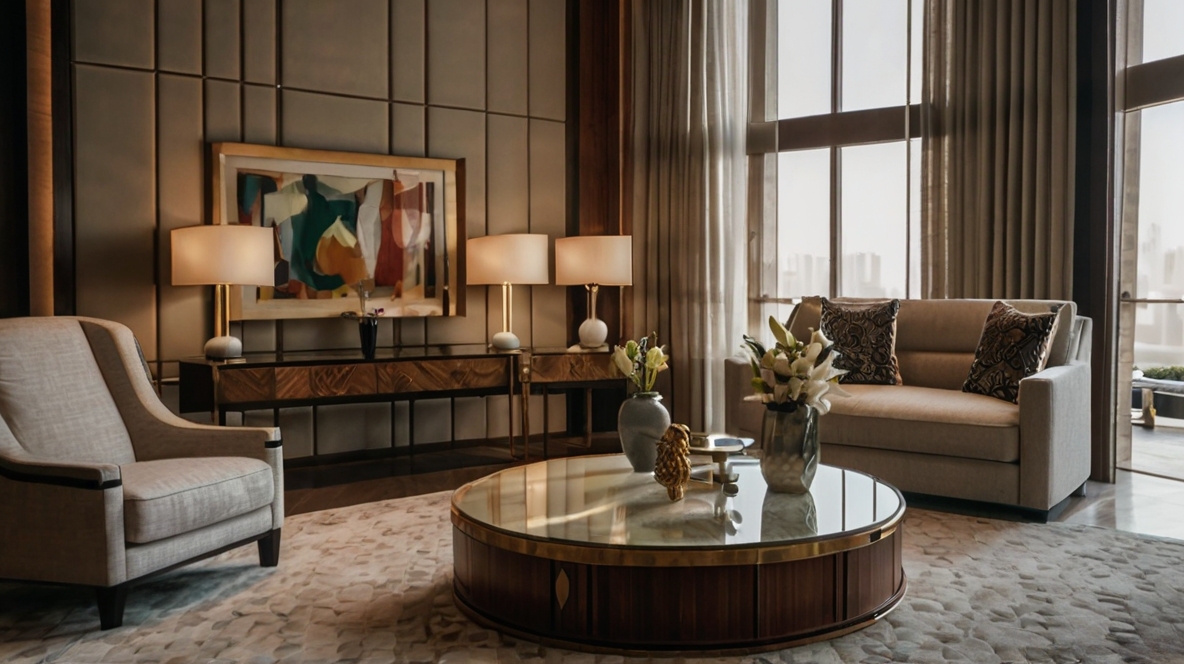
A sideboard is one of the most practical pieces of furniture for modern homes, offering both storage and style in living rooms, dining spaces, and hallways.
Choosing the right sideboard involves considering the size of the room, storage needs, material finishes, and how the furniture will complement existing décor.
When selected carefully, a sideboard can organise everyday items while enhancing the overall layout of a room.Explore modern designs within the Furniture in Fashion sideboard collection here:
Shop NowIn many homes, storage quickly becomes one of the biggest challenges. Everyday items accumulate, yet the available space often remains limited.
Sideboards solve this problem elegantly by providing concealed storage while also offering a surface that contributes to the room’s overall design.
Originally designed for dining rooms, sideboards have evolved into versatile furniture pieces used throughout modern homes. Today they are commonly found in living rooms, hallways, and open-plan spaces.
Their popularity comes from their balance between practicality and design. Unlike tall cabinets, sideboards maintain a low profile, which helps rooms feel open and uncluttered.
At the same time, they provide enough storage to keep important items organised.
Furniture in Fashion offers a wide selection of sideboards designed for modern interiors, making it easier to find a design that suits different room layouts and storage needs.
Before choosing a sideboard, it helps to think about what the furniture will actually store.
Different households use sideboards in different ways, and selecting the right internal layout can make everyday life much easier.
In living rooms, the storage needs may be different. Homeowners frequently use sideboards to organise:
Considering these needs in advance helps determine whether a sideboard with drawers, cupboards, or shelving will be most suitable.
Proportion is one of the most important aspects when selecting a sideboard. A piece that is too large can overwhelm the room, while one that is too small may not provide enough storage.
Start by measuring the available wall space where the furniture will be placed. Leave enough clearance around the sideboard so that drawers or cupboard doors can open comfortably.
In smaller homes, compact sideboards often work best. These designs still offer practical storage while maintaining a balanced room layout.
A useful guideline is to choose a sideboard that feels visually connected to the surrounding furniture without dominating the space.
Sideboards come in a wide range of designs, allowing them to suit many interior styles.
Contemporary Interiors
Modern homes often favour sideboards with clean lines and minimalist shapes. Neutral colours such as white, grey, or black work particularly well in contemporary spaces.
Scandinavian Inspired Spaces
Light wood finishes and simple forms are commonly associated with Scandinavian interiors. These designs emphasise natural materials and understated elegance.
Classic or Traditional Rooms
More detailed sideboards with warm wood finishes may suit homes with traditional décor, creating a timeless appearance.
Furniture in Fashion offers designs across these styles, allowing homeowners to choose furniture that complements their existing décor.
The materials used in a sideboard influence not only its appearance but also its durability.
Wooden Sideboards
Wood remains a popular choice because it adds warmth and character to interiors. Oak finishes are particularly common in UK homes due to their versatility.
High Gloss Finishes
High gloss surfaces create a sleek and modern look. They also reflect light effectively, which can help brighten smaller rooms.
Mixed Material Designs
Many contemporary sideboards combine wood with metal or glass. These combinations often produce a stylish contrast that suits modern interiors.
Furniture in Fashion offers sideboards crafted from a variety of materials designed to meet both aesthetic and practical needs.
Another important consideration is the internal storage layout. Different configurations provide different advantages.
Drawers are useful for smaller items that need to remain organised and easily accessible. They are often used for cutlery, accessories, or small household objects.
Cupboards provide deeper storage for larger items such as dishes, electronics, or storage boxes.
Many sideboards combine both drawers and cupboards, creating a flexible storage solution that suits different needs.
Choosing the right layout helps ensure the furniture remains practical for everyday use.
A sideboard is not only functional but also an opportunity to enhance the room’s design.
The surface can be styled with decorative objects that add personality to the space. Common styling ideas include:
Placing a mirror above the sideboard can also help reflect light and create the impression of a larger space.
When styling, it is usually best to keep the arrangement simple and balanced rather than overcrowding the surface.
Sideboards are often used in living rooms alongside other furniture pieces.
For example, they can sit opposite seating areas or behind sofas, helping organise the room while maintaining a clean layout.
Combining a sideboard with furniture such as a coffee table can help create a cohesive living space. Explore modern coffee table designs here:
Using furniture from similar design collections can further enhance visual harmony within the room.
In some homes, sideboards also function as media storage units. They can hold entertainment devices, gaming consoles, or accessories while keeping cables hidden.
In these cases, coordinating the sideboard with a TV unit can help create a consistent design throughout the living room.
Modern TV storage options can be explored here:
This approach allows homeowners to maintain a tidy and well-organised entertainment area.
Before purchasing a sideboard, there are a few practical checks worth making.
Measure doorways and hallways to ensure the furniture can be delivered easily into your home. Some larger pieces may require careful planning during delivery.
It is also useful to think about long-term use. A sideboard that works in one room today may later be moved to another area of the home as needs change.
Choosing a timeless design can make the furniture adaptable to different interior arrangements over time.
Despite changing interior trends, sideboards remain consistently useful because they solve a common problem: storage.
Modern homes often need furniture that performs multiple roles. Sideboards provide storage, display space, and design appeal within a single piece of furniture.
Furniture in Fashion offers a wide range of sideboards designed to suit contemporary living spaces.
You can explore the full collection here:
With the right design, a sideboard can help transform a room into a more organised and visually balanced space.
What is the purpose of a sideboard?
A sideboard provides storage for household items while also offering a surface for decorative displays. It is commonly used in dining rooms, living rooms, and hallways.
How do I choose the right size sideboard?
Measure the available wall space and ensure there is enough room for drawers or cupboard doors to open comfortably. The sideboard should feel proportionate to the room.
Can a sideboard be used in a living room?
Yes. Many homeowners use sideboards in living rooms to store books, electronics, and everyday items while keeping the space organised.
What materials are best for sideboards?
Wood, high gloss finishes, and mixed materials are all popular choices. The best option depends on your interior style and how durable the furniture needs to be.
Are sideboards still popular in modern homes?
Yes. Sideboards remain popular because they combine practical storage with stylish design, making them suitable for many types of interiors.
Payment options:







 Trusted UK Furniture Retailer
 Free Delivery Most UK
 Secure Payments
 Established UK Brand
 Pay Pal Credit


Payment options: