Established UK Brand
 PayPal Credit
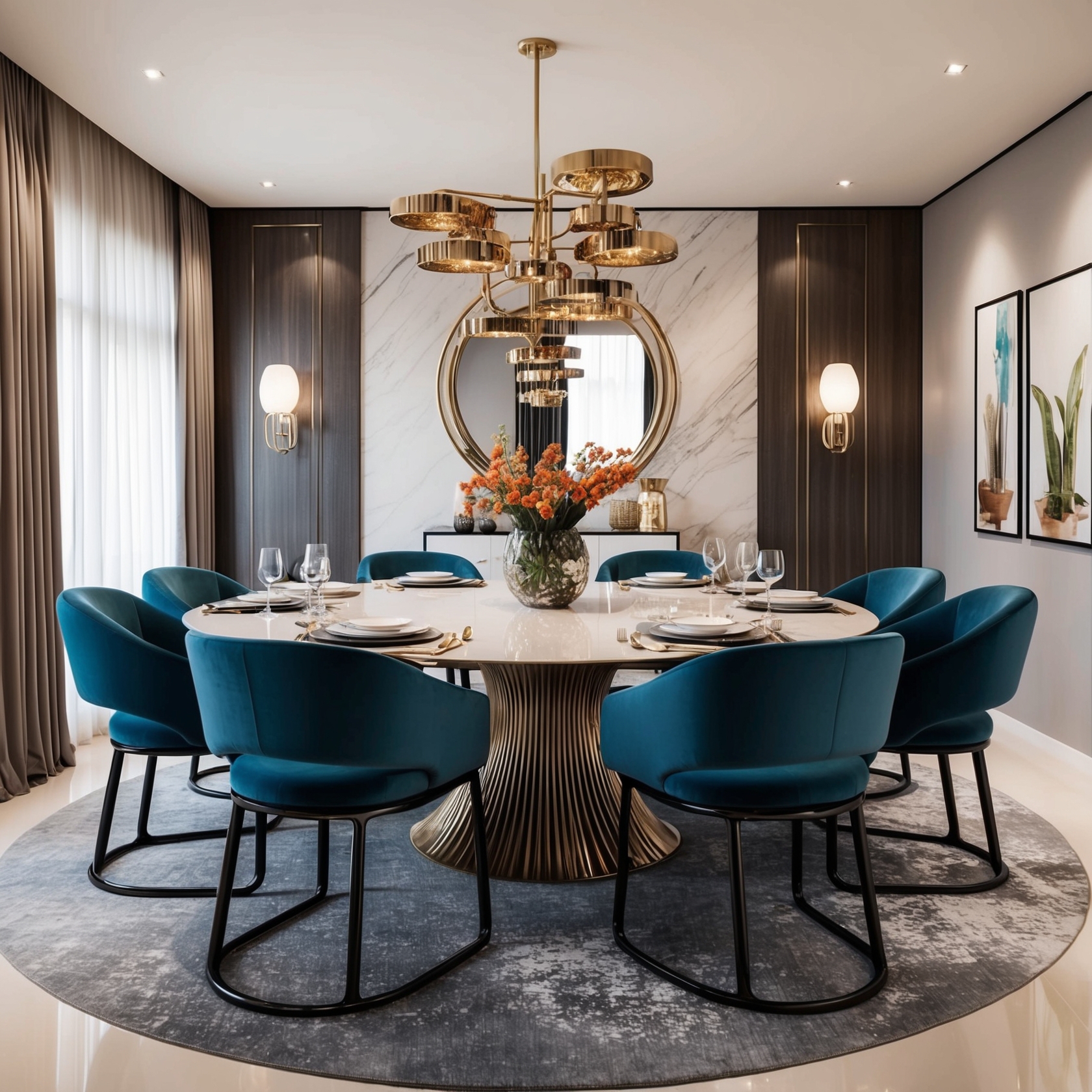
A dining table is the heart of a home. It is where family meals are shared, friends gather for coffee and holiday celebrations are staged. For UK households—especially in urban areas like London where space is at a premium—choosing the right table involves balancing style, practicality and footprint. Four‑seater dining table sets are ideal because they provide seating for a couple or small family while keeping the scale compact enough for apartments and terraced houses. Furniture in Fashion, a leading British furniture retailer, offers an extensive range of 4 seater dining table sets in materials such as glass, wood, high gloss and marble. This guide explains how to evaluate these options and select a dining set that complements your space, lifestyle and design tastes.
Shop NowMany Victorian terraces and modern flats in the UK have modestly proportioned dining areas. A four‑seat dining set strikes a balance between accommodating day‑to‑day needs and keeping the space uncluttered. Furniture in Fashion notes that its glass 4 seater dining sets bring “contemporary elegance, compact practicality and stylish dining”. Similarly, their wooden versions deliver “contemporary style, everyday practicality and space-efficient dining”, while high-gloss sets provide “contemporary shine, practical seating and stylish presence”. If you are drawn to luxury, the marble range promises “contemporary elegance, compact family‑friendly seating and premium stone‑effect style”.
Why does a four‑seat set suit UK homes so well?
Why Choose Glass?
Glass dining tables embody modernity and lightness. Furniture in Fashion’s glass sets are described as sleek and light‑enhancing, and for good reason: a clear tabletop reflects light and visually expands a room. This makes glass tables an excellent choice for compact UK flats, where the objective is often to create a feeling of openness. Because glass is non‑porous, it does not absorb liquids or harbour bacteria—a hygienic feature that is useful for dining surfaces. The smooth finish also means it is easy to wipe clean.
Tempered glass—a toughened form used in quality furniture—resists heat and scratches better than standard glass. While no table is indestructible, a tempered glass top has undergone thermal treatment to improve strength. For everyday use, it is advisable to use coasters and placemats to prevent scratches from cutlery or hot dishes. Fingerprints and dust show up more readily on glass than on wood, so regular wiping with a microfiber cloth keeps the surface looking pristine.
Pros and Cons
| Aspect | Benefits | Considerations |
|---|---|---|
| Aesthetic | Transparent surface creates a modern, airy feel and makes rooms appear larger. | Smudges and fingerprints are visible and require frequent cleaning. |
| Durability | Tempered glass is strong and heat‑resistant; it does not warp or fade over time. | Glass can scratch if abrasive objects are dragged across it; use placemats and coasters. |
| Maintenance | Non‑porous surface is easy to wipe clean; spills do not stain. | Requires regular dusting to maintain a spotless look. |
Best for: Contemporary interiors, small flats that need visual lightness, and households that value easy cleaning. If your home tends to accumulate clutter, a glass table can help lighten the visual weight of the space.
Internal link: Browse the latest glass dining sets at Furniture in Fashion to explore round, rectangular and extendable designs.
Why Choose Wood?
Wooden dining tables bring warmth, texture and timeless appeal. Furniture in Fashion highlights that its wooden sets offer contemporary style and everyday practicality. Solid wood has a natural grain that adds character; each piece is unique. Wood absorbs minor knocks better than brittle materials and often develops a lovely patina over time. Depending on the species and finish, it can last for decades.
Popular woods include oak, ash, rubberwood and mango. Oak is valued for its strength and friendly grain that hides everyday marks. Ash and rubberwood have lighter tones that suit Scandinavian‑style interiors, while mango wood offers dramatic grain patterns. Premium species such as walnut or cherry impart a luxurious feel but can be costly. Solid wood tables can be sanded and refinished if the surface becomes worn, which is not possible with veneers or MDF. However, wood is porous, so spills should be wiped up promptly to prevent staining. Using coasters and placemats will protect the finish.
Pros and Cons
| Aspect | Benefits | Considerations |
|---|---|---|
| Character & Warmth | Natural grain and colour create a cosy, welcoming atmosphere; wood suits both rustic and modern interiors. | Colour may deepen with age; lighter species can yellow slightly. |
| Durability | Solid wood can last for decades and can be sanded or refinished; minor scratches blend into the grain. | Susceptible to water marks or heat rings without protection; needs occasional oiling or polishing. |
| Sustainability | Responsibly sourced wood supports healthy forests; some species are more sustainable than others. | Cheap veneers or MDF cannot be refinished and may not last as long. |
| Maintenance | Dusting and occasional re‑oiling keep wood looking good. | Spills must be wiped promptly to avoid stains. |
Best for:Traditional or cosy interiors, families looking for longevity, and anyone who values natural materials. If you have children, the ability to sand and refinish a solid wood surface adds to its appeal.
Internal link: See the range of wooden dining sets offered by Furniture in Fashion for oak, walnut and painted options.
Why Choose High Gloss?
High‑gloss dining tables have a shiny lacquered finish that reflects light. Furniture in Fashion promotes its high‑gloss sets as providing “contemporary shine, practical seating and stylish presence”. The reflective surface brightens the room and can make a compact space feel larger. These tables are usually made from engineered wood (such as MDF) coated in polyurethane or polyester lacquer. The coating is durable and scratch‑resistant, making high‑gloss tables easier to maintain than some wood finishes.
High‑gloss tables are available in a variety of shapes and colours, from crisp white and grey to bold hues. They complement modern, minimalist interiors and can contrast nicely with plush fabrics or metal accents. Because high‑gloss tables are typically manufactured from engineered wood, they are more affordable than solid wood or marble. However, the shiny finish can show dust and fingerprints easily and may chip if heavily knocked. Be careful not to slide heavy objects across the surface.
Pros and Cons
| Aspect | Benefits | Considerations |
|---|---|---|
| Modern appeal | Reflective surface makes rooms feel brighter and adds a sleek, contemporary look. | Visible fingerprints and dust mean more frequent wiping is needed. |
| Durability | Lacquer coating resists scratches and heat; engineered wood base is stable. | Lacquer may chip if impacted; avoid dragging heavy items across the top. |
| Affordability & Variety | Available in many colours, shapes and sizes; typically costs less than solid wood. | Shiny surfaces may not suit every décor style; avoid pairing with too many glossy finishes. |
| Maintenance | Wipes clean with a damp cloth; does not require oiling or waxing. | Use soft cloths to avoid micro‑scratches; immediate cleanup of spills prevents water marks. |
Best for:Modern apartments, open‑plan living spaces and buyers seeking a sleek look at an accessible price point.
Internal link: Explore the selection of high gloss dining table and chairs at Furniture in Fashion for round, rectangular and extendable options.
Why Choose Marble?
Marble epitomises luxury. Furniture in Fashion describes its marble dining sets as offering “contemporary elegance, compact family‑friendly seating and premium stone‑effect style”. Real marble has a unique veining pattern, ensuring that each table is one‑of‑a‑kind. The natural stone is cool to the touch and naturally heat‑resistant, making it ideal if you often serve hot dishes directly at the table. Because marble is dense and non‑flammable, it stays stable under hot plates and bowls.
Marble tables are heavy and durable but require some care. The surface is porous, so acidic foods and beverages (such as wine or lemon juice) can etch or stain if not cleaned promptly. Sealing the stone once or twice a year helps protect against staining. Marble‑effect sintered stone offers a similar look with greater scratch resistance and lower maintenance—an option worth considering if you love the look of marble but prefer less upkeep. As with any premium material, marble tables are an investment and typically more expensive than wood or high‑gloss sets.
Pros and Cons
| Aspect | Benefits | Considerations |
|---|---|---|
| Visual impact | Unique veining creates a timeless, luxurious statement piece. | Marble is heavy and requires careful moving; the weight may not suit all homes. |
| Heat resistance | Stone surface remains cool and is naturally heat‑resistant, making it ideal for serving hot dishes. | Porous stone can stain or etch from acidic substances; needs sealing and prompt cleanup. |
| Longevity & Value | Quality marble furniture can last for many years and retain its appeal. | Generally more expensive than other materials; requires regular sealing. |
| Maintenance | Wipe with a damp cloth and mild soap; use coasters and placemats to protect the surface. | Avoid using harsh cleaners; reseal the stone every 6–12 months. |
Best for: Luxury interiors, homeowners who appreciate natural stone, and those prepared to maintain the surface properly. Consider round or pedestal‑based marble tables for small UK homes; these reduce visual bulk while still providing a statement piece.
Internal link: Discover marble dining sets at Furniture in Fashion, including marble‑effect options that offer premium style with less upkeep.
Selecting the ideal four‑seat dining set involves more than picking a material. You should consider shape, room layout, seating and lifestyle.
Different table shapes suit different room layouts and needs. Consider the following options for four‑seat arrangements:
Accurate measurements are crucial to ensure the table fits comfortably. According to interior design space‑planning guidelines, you should allow at least 70 cm for a chair to sit in front of a table and 75–90 cm of clearance behind the chair for circulation. This means leaving roughly 140–180 cm of clearance between opposite walls to accommodate chairs and movement. In practice:
If your dining area is part of an open‑plan living space, visualise the table footprint with masking tape or newspaper on the floor. This helps you understand how the table will interact with other furniture and ensures you maintain clear walkways.
Standard dining table height is around 75 cm, and chairs with a seat height of 45–48 cm provide comfortable proportions. Upholstered chairs add softness for longer meals but take up more space than simple wooden or metal chairs. If you prefer armchairs at the ends of the table, ensure your table is long enough to accommodate them without crowding diners. Bench seating offers a space‑saving alternative and can slide under the table when not in use.
To ensure your new table fits comfortably and suits your lifestyle, keep these guidelines in mind:
The material you choose influences the table’s appearance, longevity and maintenance requirements:
| Material | Durability | Maintenance | Best For |
|---|---|---|---|
| Glass | Tempered glass is strong and heat‑resistant; it will not warp or discolour. | Wipe regularly to remove fingerprints; use coasters to prevent scratches. | Modern interiors, small rooms that need visual lightness. |
| Wood | Solid wood lasts decades and can be sanded or refinished. | Dust weekly; apply oil or wax periodically; wipe spills promptly. | Traditional or cosy homes, families seeking warmth and longevity. |
| High Gloss | Lacquered MDF or engineered wood resists scratches and heat; more affordable than solid wood. | Wipe with a soft cloth; avoid abrasive cleaners. | Contemporary apartments, budget‑conscious buyers who want a sleek look. |
| Marble / Sintered Stone | Dense stone is durable and heat‑resistant; marble retains value when cared for properly. | Use coasters, placemats and mild soap; reseal marble every 6–12 months. | Luxury interiors, households seeking a statement piece and prepared for maintenance. |
Purchasing a four‑seat dining table is an investment in your home’s comfort and style. Follow these steps to make the best decision:
Furniture in Fashion offers a wide selection of four‑seat dining sets across glass, wood, high‑gloss and marble categories. Because these sets are designed for British homes, they balance design, quality and value while catering to the constraints of smaller spaces. Take advantage of their product descriptions, customer reviews and free delivery options to select the set that suits your space and lifestyle.
A four‑seat table typically measures around 120–140 cm in length (rectangular) or 90–110 cm in diameter (round or square). To ensure the table fits comfortably, subtract 140–180 cm from the length and width of your room to allow at least 70 cm in front of chairs and 75–90 cm behind chairs for circulation.
It depends on your priorities. Glass tables provide a sleek, modern look, reflect light and are easy to clean, making them ideal for small spaces. Wood tables offer warmth and character, can be refinished and typically last longer. Choose glass if you prioritise visual lightness and easy wiping; choose wood if you value natural beauty and the ability to repair minor damage.
Yes—when properly cared for. Marble is dense and heat‑resistant, but it is also porous and can stain or etch from acidic spills. Regular sealing (every 6–12 months) and prompt cleanup of spills will keep a marble table looking beautiful. Sintered stone offers a similar look with lower maintenance.
Round or square tables with a diameter or width of 90–110 cm are ideal for tight kitchens. Pedestal bases maximise legroom, and extendable designs provide flexibility. Glass or high‑gloss surfaces reflect light and make compact rooms feel larger. Wall‑mounted drop‑leaf tables or narrow rectangular tables against one wall can also save space.
Use coasters, placemats and table runners to protect the surface. For wood tables, apply furniture wax or oil periodically. For glass tables, avoid dragging heavy objects across the top. For marble, reseal the stone regularly and avoid using acidic cleaners.

Payment options:







 Trusted UK Furniture Retailer
 Free Delivery Most UK
 Secure Payments
 Established UK Brand
 Pay Pal Credit


Payment options: