
 Established UK Brand
 PayPal Credit
The Complete Guide to Bedroom Furniture in the UK: Designing a Space That Works for Real Homes
A bedroom should feel steady. Not staged. Not temporary. Not pieced together from rushed decisions.
In many UK homes, the bedroom becomes a storage compromise. Wardrobes pushed tight against short walls. Beds chosen for price instead of scale. Chest drawers squeezed into corners because the layout never quite worked in the first place.
Good bedroom furniture changes that. It turns the room from somewhere you sleep into somewhere you recover. And recovery is not decorative. It is functional, spatial and personal.
This guide looks properly at bedroom furniture in the UK context. Real room sizes. Real light levels. Real storage pressures. Real budgets. And furniture that lasts longer than a trend cycle.
Whether you are furnishing a new build flat, refreshing a Victorian terrace bedroom, or upgrading a main suite in a detached home, the decisions follow the same principles. Scale. Proportion. Storage logic. Longevity.
Let’s start with what actually defines bedroom furniture.

What Counts as Bedroom Furniture Today?
Traditionally, bedroom furniture meant a bed, wardrobe and chest of drawers. That structure still works. But modern UK bedrooms often require more layered solutions.
Core pieces include:
You can explore full collections in our Bedroom Furniture UK range
https://www.furnitureinfashion.net/bedroom-furniture/
But selecting pieces individually often creates a stronger layout than buying everything in one bundle.
The key is to understand how each item performs in the room, not just how it looks in a product image.
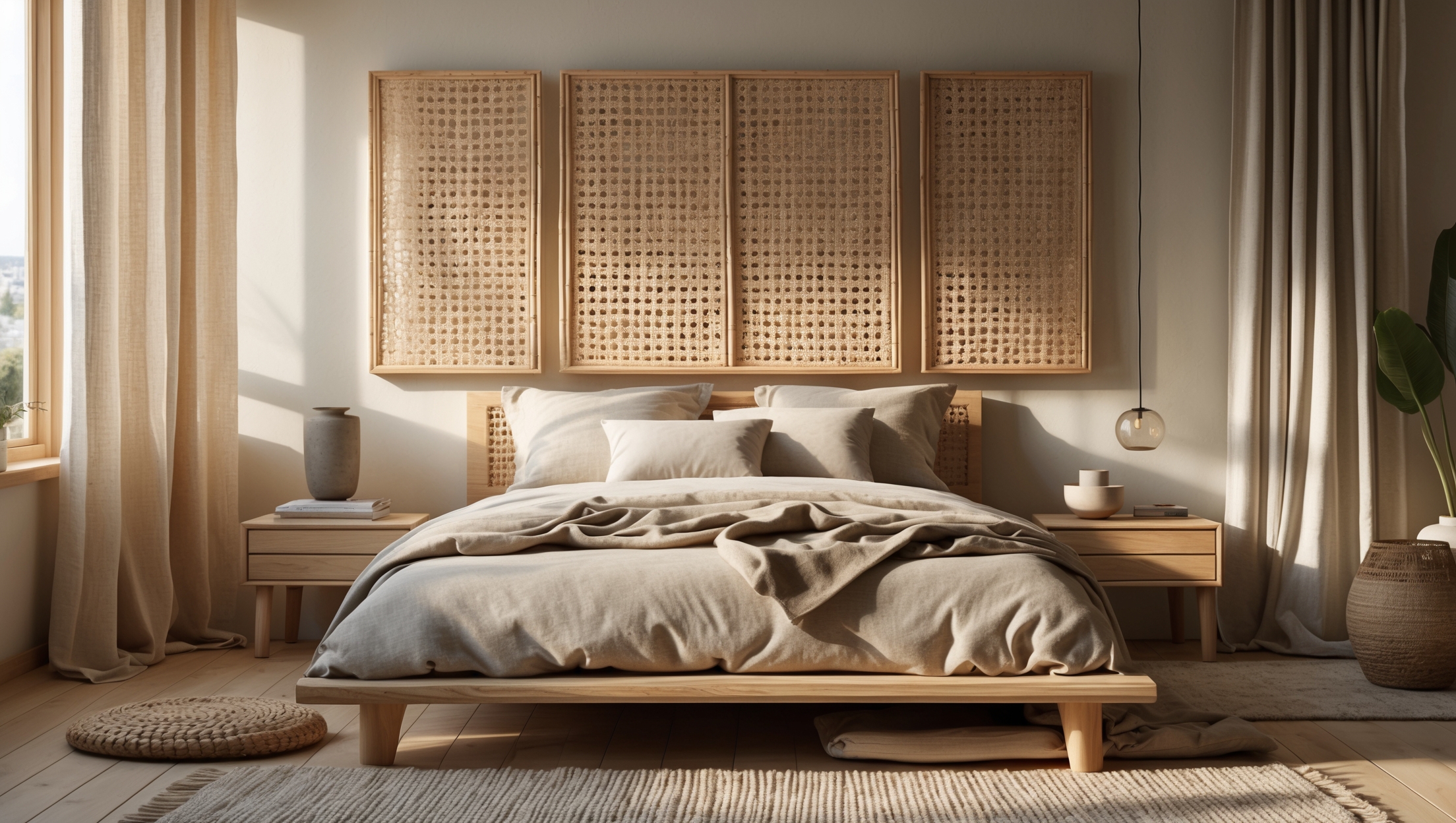
Understanding UK Bedroom Sizes Before You Buy
One of the most common mistakes in bedroom furnishing is ignoring scale.
Many UK bedrooms are smaller than European or US averages. Particularly in:
A double bedroom in the UK may comfortably fit a double bed and wardrobe, but only just. Once bedside tables are added, walking clearance disappears.
Before choosing furniture, measure:
And most importantly, measure usable wall space. A wardrobe may technically fit along a 2.5 metre wall, but if the door opens inward and overlaps the space, it will feel cramped.
If you are unsure about wardrobe dimensions specifically, our detailed guide on How to Measure for a Wardrobe explains the process clearly:
The aim is not to fill the room. It is to allow it to breathe.
Choosing the Right Bed Frame for UK Homes
The bed is the anchor. Everything else aligns around it.
In UK homes, common sizes are:
But mattress size is only half the story. The bed frame footprint matters more.
A traditional wooden frame with thick side rails may add 8 to 10 cm beyond mattress width. An upholstered bed with a wide headboard can extend significantly beyond the mattress.
If your room is tight:
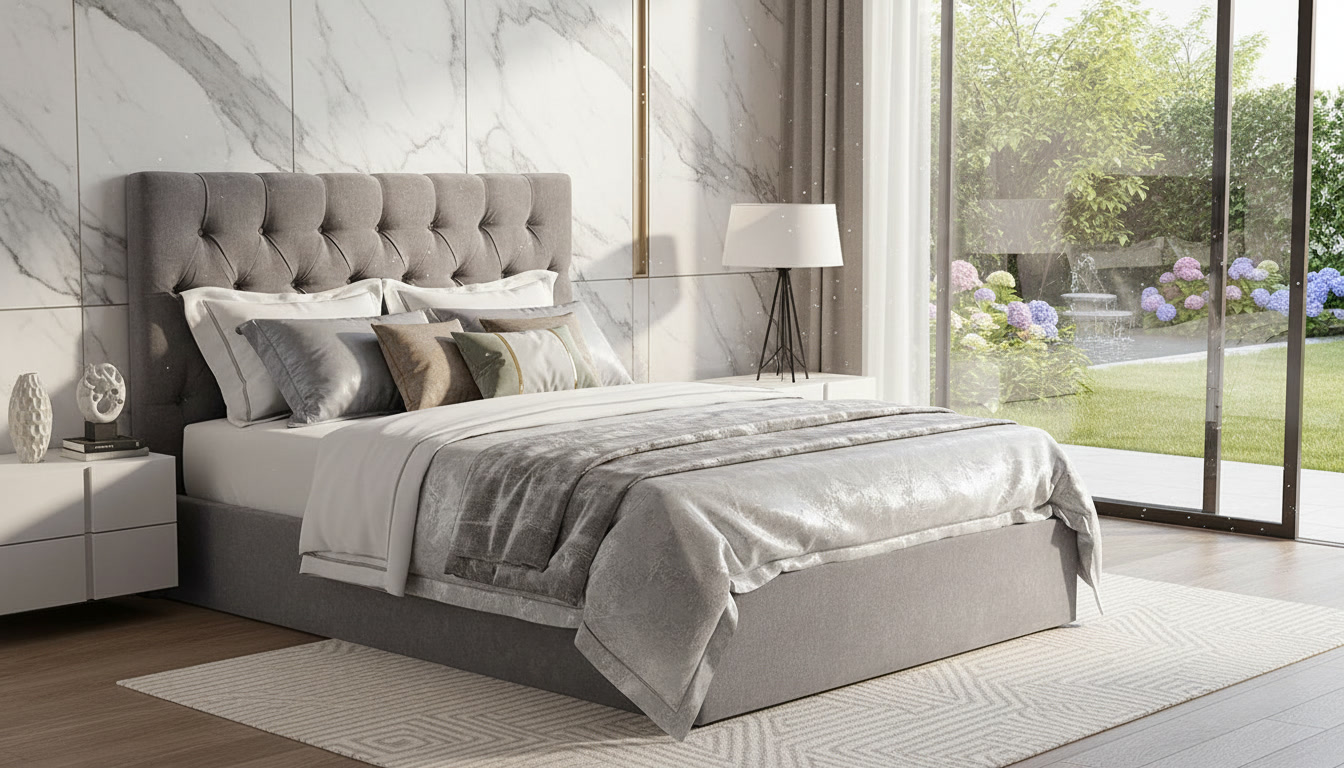
Ottoman beds are particularly popular in UK homes because they maximise vertical storage. But they must be positioned so they can open fully without hitting walls or bedside tables.
If your focus is practicality, explore our dedicated section for Ottoman Storage Beds UK
They are especially useful in homes without loft storage.
The right bed is not always the largest one that fits. It is the one that allows circulation space around it.
Wardrobes: The Real Storage Backbone
In most UK bedrooms, the wardrobe is the hardest working piece of furniture.
Sliding wardrobes are ideal in tighter rooms because they remove door swing clearance. Hinged wardrobes allow easier full access but need space in front.
There is no universal answer. The right solution depends on layout.
If you are comparing styles, our guide on Sliding vs Hinged Wardrobes breaks down the pros and limitations of both:
Things to consider:
High gloss finishes reflect light well in darker UK bedrooms. Matt finishes feel softer and more timeless. Wood effect finishes suit traditional interiors but must match flooring carefully.
Avoid buying wardrobes based purely on external width. Internal configuration matters more than outer size.
Bedroom Storage That Actually Solves Problems
Clutter builds quietly in bedrooms.
Shoes under the bed. Extra bedding stacked on chairs. Seasonal clothing folded on top of wardrobes.
Instead of adding more furniture randomly, step back and consider where clutter accumulates.
Common UK bedroom storage issues:
Solutions include:
If your room is small, our guide on Best Wardrobes for Small UK Bedrooms explores layout conscious solutions in detail:
Small does not mean limited. It simply requires smarter proportioning.
Coordinated Bedroom Furniture Sets: When They Work
Bedroom sets remain popular in the UK because they offer visual cohesion.
Matching finishes across wardrobe, drawers and bedside units create a cleaner aesthetic. Particularly useful in:
But full matching sets can sometimes feel rigid in more characterful homes.
A softer approach is to match the main wardrobe and bed frame, then vary bedside tables slightly for personality.
You can browse coordinated collections here:
https://www.furnitureinfashion.net/bedroom-furniture-sets/
The rule is simple. Cohesion should feel intentional, not showroom strict.
Materials and Build Quality in the UK Climate
The UK climate matters.
Higher humidity levels can affect lower quality chipboard over time. Poorly finished MDF edges may swell. Cheap drawer runners can fail quickly under heavy use.
Look for:
Solid wood is durable but heavier and often more expensive. High quality engineered wood can perform extremely well when properly finished.
Avoid judging furniture purely by weight. Construction method matters more.
Bedroom Layout Strategies That Work in UK Homes
Layout is where most bedroom plans succeed or fail.
Even beautiful furniture will feel wrong if circulation space is ignored. In many UK properties, especially terraces and new builds, bedrooms are rectangular and narrow rather than square. This affects how furniture should be positioned.
The bed is usually placed against the longest uninterrupted wall. But that does not automatically make it correct. If placing the bed there blocks wardrobes or reduces walking space below 50 cm on one side, the room will feel cramped every day.
A good rule is to maintain at least:
If clearance is tighter than this, sliding wardrobes may be the better option.
Alcoves are common in older UK homes. Rather than ignoring them, use them. A shallow chest of drawers or slim shelving unit can turn awkward gaps into functional storage. In some cases, placing wardrobes within alcoves actually makes the room feel larger because it reduces visual protrusion.
Low ceiling loft rooms need particular care. Taller wardrobes may technically fit but dominate the space visually. In these rooms, horizontal storage such as wider, lower chests often works better.
The aim is always the same. Flow first. Furniture second.
Light, Colour and the Reality of UK Bedrooms
Natural light in UK bedrooms varies dramatically. North facing rooms tend to feel cooler and dimmer. South facing rooms receive warmer light but can still feel heavy in winter months.
Furniture colour should respond to light levels, not trends.
In darker bedrooms:
In brighter rooms:
Avoid choosing very high gloss furniture for extremely bright rooms unless you want reflection as a design feature. In smaller rooms, gloss can feel visually sharp if overused.
A practical approach is to balance two tones. For example, a white wardrobe with oak bedside tables creates warmth without heaviness.
Paint colour also matters. Soft off whites such as warm ivory often pair better with furniture than stark brilliant white walls, which can make finishes appear colder.
Bedroom furniture should sit quietly within the room, not fight the wall colour.
Dressing Tables and Multi Functional Spaces
In many UK homes, bedrooms double as dressing spaces, reading corners or even work zones.
A dressing table is not always about cosmetics. It can be:
If space is limited, choose a narrower console style table with drawers. Pair it with a stool that tucks fully underneath.
If you are furnishing a master bedroom, explore dedicated options within our Dressing Tables UK collection
https://www.furnitureinfashion.net/dressing-tables/
Placement is important. Ideally, position dressing tables near natural light. If not possible, ensure wall space allows for proper mirror and lighting placement.
Avoid squeezing a dressing table into a space where circulation becomes compromised. If clearance is under 40 cm when seated, it will rarely be used comfortably.
Mirrored Bedroom Furniture in Smaller Rooms
Mirrored bedroom furniture is particularly popular in the UK because it visually expands space.
When used well, it can:
But mirrored finishes need balance.
In small bedrooms, combining mirrored wardrobes with mirrored bedside tables can feel excessive. One key mirrored piece is usually enough.
Mirrored wardrobes are especially effective in flats or terrace homes where bedroom width is limited. The reflection extends the sense of depth.
If you are considering mirrored options, explore the Mirrored Bedroom Furniture UK range
https://www.furnitureinfashion.net/mirrored-bedroom-furniture/
Keep surrounding décor minimal so reflections do not create visual clutter.
Matching Furniture vs Layered Styling
There is a difference between coordinated and identical.
Fully matching bedroom sets create order quickly. This is useful for rental properties or guest rooms where simplicity matters.
Layered styling feels more personal.
For example:
The mix creates warmth and depth without losing cohesion.
To achieve this successfully:
In UK homes with period features such as fireplaces or mouldings, layered styling often feels more natural than full matching sets.
Long Term Value vs Short Term Trends
Bedroom furniture is not seasonal. It should last.
Trend led purchases may feel exciting in the moment but often date quickly. Very bold colour wardrobes or heavily themed finishes can become restrictive.
Timeless bedroom furniture tends to include:
Trend can still be introduced through:
This allows flexibility without replacing core furniture every few years.
When assessing value, ask:
The UK Buyer’s Guide to Wardrobes and storage durability can help frame these decisions in more depth.
Furniture is an investment in routine comfort. That is where long term thinking pays off.
Bedroom Furniture for Different Household Needs
Although rarely labelled this way, bedrooms serve different life stages.
Guest bedrooms benefit from:
Children’s bedrooms need:
Main bedrooms often prioritise:
In smaller UK homes, one room may need to transition between these uses over time. Choosing adaptable furniture avoids repeated replacement.
A wardrobe with adjustable shelving is more future proof than one with fixed compartments. A bed frame with neutral upholstery adapts better than a highly themed design.
Furniture should evolve with life, not resist it.
Maintaining Bedroom Furniture in the UK Climate
Bedroom furniture lasts longer when maintained properly.
Humidity fluctuations in the UK can cause minor expansion in certain materials. To minimise impact:
Clean finishes gently using a soft cloth. Avoid abrasive cleaners on gloss or mirrored surfaces. Drawer runners benefit from occasional inspection to ensure smooth operation.
Mirrored furniture should be cleaned with non streak glass cleaner applied to cloth rather than sprayed directly.
Longevity is rarely about dramatic care. It is about consistency.
Planning Your Bedroom Furniture Budget Wisely
Bedroom furniture purchasing in the UK often happens in phases. Rarely is everything replaced at once unless moving home.
The key is to prioritise.
If your current storage is failing, invest first in the wardrobe. If sleep comfort and visual impact feel weak, start with the bed frame. If clutter is the main issue, introduce a high capacity chest or storage bed before replacing decorative items.
A sensible budget split for a full bedroom refresh often looks like this:
This is not fixed, but it reflects where functional weight usually sits.
Avoid spending heavily on smaller accent pieces while compromising on primary storage. The wardrobe and bed will influence daily routine far more than a statement lamp or side chair.
If working with a tighter budget, build gradually. Choose neutral anchor pieces first, then layer additional furniture over time.
Bedroom furniture should feel considered, not rushed.
Delivery Considerations in UK Homes
Delivery logistics are often overlooked until the final stage.
Many UK homes have:
Before ordering larger wardrobes or bed frames, measure:
Flat pack furniture can simplify access in tighter homes, but ensure assembly space is available in the room itself.
If ordering mirrored or gloss finishes, check that protective packaging is adequate for transport.
Our Bedroom Furniture Delivery Information explains access considerations and preparation steps clearly:
https://www.furnitureinfashion.net/links/delivery/
Preparation reduces stress on delivery day.
Investing in Bedroom Furniture That Lasts Beyond Trends
Trends move quickly. Bedrooms should not.
Soft boucle fabrics, ribbed finishes and curved edges are currently popular, but underlying structure matters more than surface trend.
Choose pieces that:
This approach ensures your bedroom evolves gradually rather than requiring a complete overhaul every few years.
Timeless furniture allows smaller, affordable updates to refresh the space without replacing core items.
Pulling Everything Together
Designing a bedroom is not about filling space. It is about balancing proportion, storage and calm.
In UK homes especially, where room sizes can be compact and layouts irregular, thoughtful furniture selection makes the difference between cramped and comfortable.
Start with measurements.
A well furnished bedroom should feel steady when you walk in. Not cluttered. Not temporary. Not improvised.
You can explore the full curated range of Bedroom Furniture UK here:
https://www.furnitureinfashion.net/bedroom-furniture/
And if you are focusing specifically on wardrobes, visit our Wardrobes UK Collection:
https://www.furnitureinfashion.net/wardrobes/
For layout planning support, our guide on How to Measure for a Wardrobe is particularly helpful:
Every decision should make daily life easier.
TLDR: A Bedroom Should Work Before It Wows
Bedroom furniture is not about showroom impact. It is about everyday comfort.
When furniture fits both the room and your routine, the bedroom becomes restorative rather than restrictive.
Good design feels calm because it is practical.
Frequently Asked Questions
What is the most important piece of bedroom furniture?
The bed frame is the visual anchor, but the wardrobe is often the most functionally important. In many UK homes, storage determines how organised the room feels day to day.
Are sliding wardrobes better for small bedrooms?
Sliding wardrobes are often ideal for compact UK bedrooms because they remove door swing clearance. They work particularly well in narrow rooms where hinged doors would restrict movement.
How much space should I leave around a bed?
Aim for at least 60 cm on one accessible side and 45 to 60 cm in front of storage units. This ensures comfortable movement without feeling cramped.
Is mirrored bedroom furniture suitable for small rooms?
Yes, when used carefully. One mirrored wardrobe or key piece can reflect light and make a room feel larger. Avoid overusing mirrored finishes in very small spaces.
Should all bedroom furniture match?
Not necessarily. Coordinated tones work well, but layered styling with subtle variation often feels more natural, especially in period UK homes.
How do I know if a wardrobe will fit upstairs?
Measure staircase width, ceiling clearance above turns and landing space. Compare these with packaged dimensions provided before ordering.
What materials last longest in UK bedrooms?
High quality engineered wood with strong internal structure performs well. Solid wood is durable but heavier and more expensive. Smooth metal drawer runners and reinforced panels are good indicators of longevity.
Payment options:







 Trusted UK Furniture Retailer
 Free Delivery Most UK
 Secure Payments
 Established UK Brand
 Pay Pal Credit


Payment options: