
 Established UK Brand
 PayPal Credit
Part 1
Television furniture has quietly become one of the most influential elements in the modern UK living room. While the screen itself often gets the attention, it is the furniture beneath or around it that shapes how the space actually functions day to day. As living rooms have become more multi-purpose, the decision between a wall-mounted TV unit and a freestanding design has taken on greater importance.
In UK homes especially, this choice is rarely straightforward. Properties vary widely in age, construction and layout. What works beautifully in a new-build flat may feel impractical in a Victorian terrace. Rental rules, wall types, access routes and future flexibility all play a role. The result is that many people choose based on appearance alone, only to realise later that the unit does not suit the realities of their home.
This guide explores wall-mounted and freestanding TV units in depth, looking beyond surface style to how each option performs in real British homes. The aim is not to promote one approach over the other, but to help you understand which solution genuinely works best for your space, lifestyle and long-term plans.
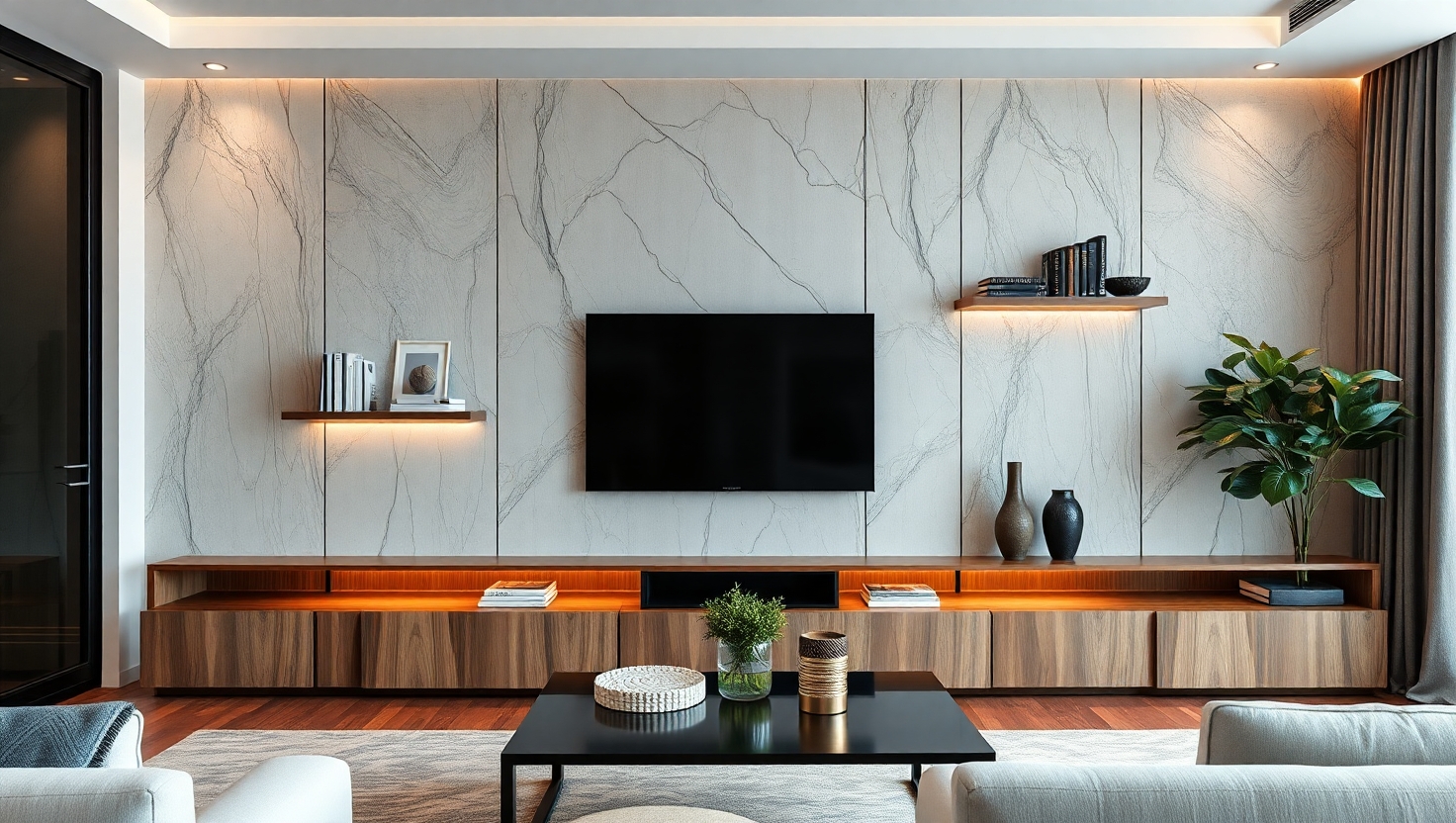
Why TV Unit Choice Has Become More Complex
In the past, TV furniture was largely functional. Large cabinets were designed to hold bulky televisions, DVD collections and audio equipment. As screens have become thinner and technology more compact, furniture has followed suit. Modern TV units are lower, sleeker and more integrated into the room’s overall design.
At the same time, UK living rooms are being asked to do more. They are no longer just places to watch television. They are spaces for working, relaxing, entertaining and family life. Furniture that once served a single purpose now needs to support several.
This is where the wall-mounted versus freestanding decision becomes significant. The mounting method influences not just how the furniture looks, but how the room feels, how flexible the layout is, and how easy it is to adapt the space over time.
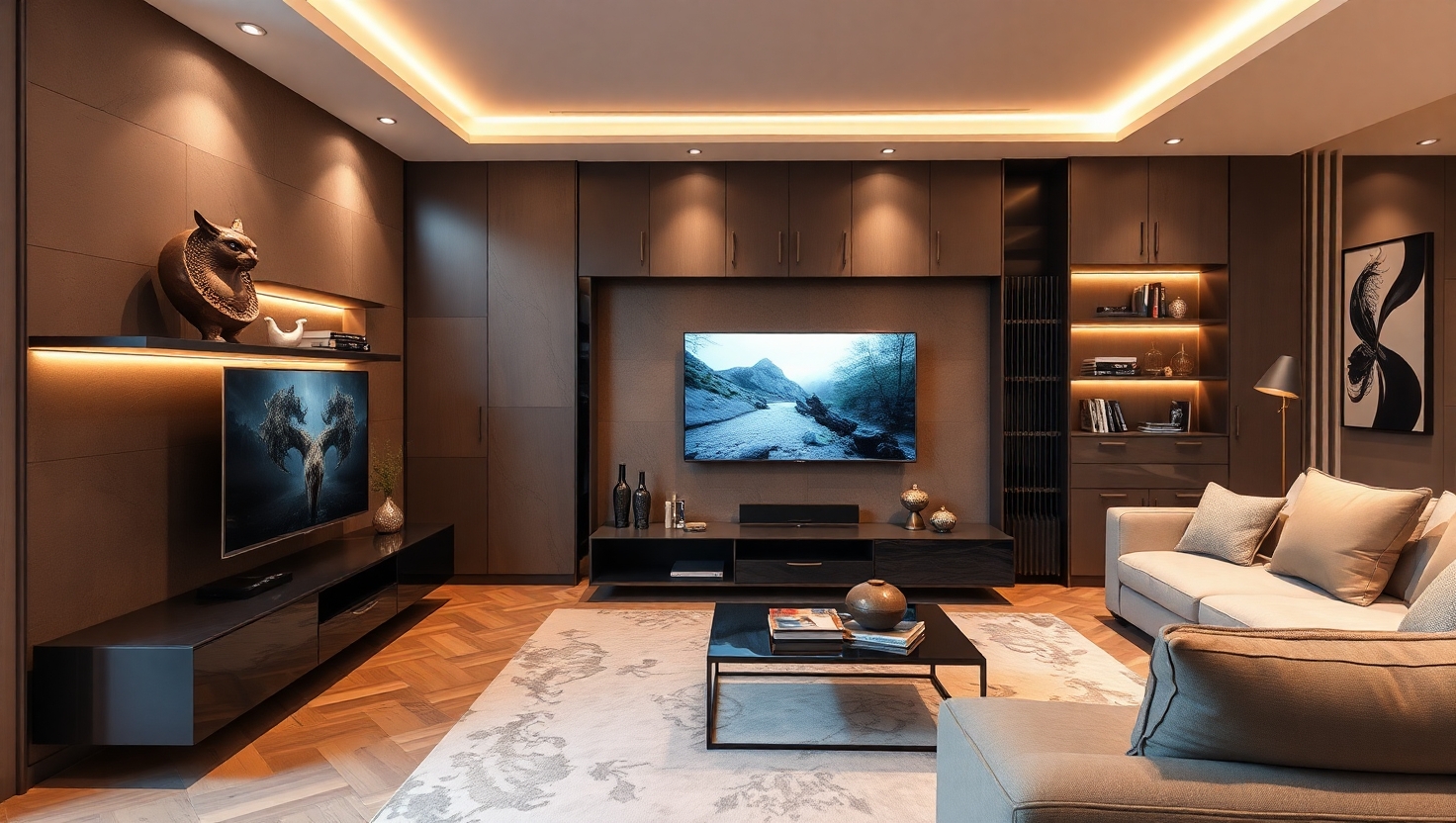
Understanding Wall-Mounted TV Units
Wall-mounted TV units are designed to sit off the floor, fixed directly to the wall. Some designs consist solely of a suspended cabinet beneath a wall-mounted television. Others combine wall-mounted cabinets with shelving or integrated panels.
The visual appeal of wall-mounted units is easy to understand. By lifting furniture away from the floor, the room can feel more open and uncluttered. In smaller UK living rooms, this can make a noticeable difference to how spacious the area feels.
Wall-mounted units often suit modern interiors where clean lines and minimal detailing are a priority. They can create a streamlined focal point, especially when cables are concealed and storage is kept deliberately simple.
However, these benefits come with considerations that are particularly relevant in UK homes.
Wall Construction and Installation in UK Properties
One of the first realities to consider with wall-mounted TV units is the construction of your walls. Many UK homes are built with solid brick or block walls, particularly in older properties. While these walls can support weight effectively when fixed correctly, installation requires precision, appropriate fixings and confidence in the wall’s condition.
In some cases, walls may have been plastered multiple times, or contain older materials that complicate installation. Newer homes may feature stud walls, which require different fixings and careful load distribution to safely support wall-mounted furniture.
This means that wall-mounted units often demand more planning than freestanding alternatives. Measurements must be accurate, fixing points carefully chosen, and weight limits respected. In some situations, professional installation may be advisable to ensure safety and longevity.
Rental Properties and Permission Constraints
For renters, wall-mounted TV units can present additional challenges. Many UK rental agreements restrict drilling or permanent alterations. Even where permission is granted, tenants may be required to restore walls to their original condition at the end of a tenancy.
This can make wall-mounted units less appealing in rented homes, especially for those who expect to move within a few years. The commitment involved in installation can feel disproportionate when flexibility is important.
Freestanding units, by contrast, typically avoid these concerns entirely, which is one reason they remain popular in rental properties across the UK.
Visual Impact of Wall-Mounted Units
When wall-mounted TV units work well, they can create a strong sense of order. By aligning the television and unit precisely, the wall becomes a deliberate feature rather than a collection of separate elements.
In compact spaces, the absence of furniture touching the floor can make cleaning easier and prevent the room from feeling visually crowded. This can be particularly effective in flats or narrow living rooms where every centimetre counts.
However, wall-mounted units can also feel unbalanced if not carefully proportioned. Units that are too wide, too deep or mounted too high can dominate the wall and draw attention away from the rest of the room. In UK living rooms with lower ceilings, this effect can be more pronounced.
The success of a wall-mounted unit depends heavily on scale, placement and restraint.
The Role of Storage in Wall-Mounted Designs
Storage in wall-mounted TV units is often more limited than in freestanding designs. This is intentional. To maintain a light appearance, wall-mounted units typically feature fewer drawers and cupboards.
This works well for households with minimal media equipment and a preference for clutter-free surfaces. It suits rooms where streaming devices are small, cables are hidden, and decorative restraint is valued.
In family homes or shared living spaces, however, limited storage can become a drawback. Everyday items such as remotes, chargers and accessories still need a place to live. Without adequate storage, these items can quickly migrate to surfaces, undermining the clean look that wall-mounted units are designed to create.
Transitioning to Freestanding TV Units
While wall-mounted units have gained popularity, freestanding TV units remain the most common choice in UK homes. Modern freestanding designs are a far cry from the bulky entertainment centres of the past.
Today’s freestanding units are often low, slim and carefully proportioned. Many feature raised legs, shallow depths and simple profiles that allow them to sit comfortably in both modern and traditional interiors.
The appeal of freestanding units lies in their adaptability. They require no permanent fixing, are easier to install, and can be repositioned as needed. This flexibility is particularly valuable in UK homes where layouts often evolve over time.
Why Freestanding Units Still Dominate UK Living Rooms
Freestanding TV units suit the realities of British housing stock. Narrow hallways, tight staircases and smaller rooms make furniture that is easy to deliver, assemble and move especially practical.
Flat-pack freestanding units can be carried up staircases and assembled in situ, reducing access issues. Pre-assembled units can work well in ground-floor homes with easier entry.
Freestanding units also accommodate a wider range of storage needs. Drawers, cupboards and shelves can be combined in ways that suit different households, from minimalist setups to family-friendly living rooms.
This versatility helps explain why freestanding designs continue to dominate, even as wall-mounted options grow in visibility.
Part 2
While the visual appeal of a TV unit is often the first thing people notice, the day-to-day experience of living with it is shaped by much more practical factors. Storage behaviour, cable management, room flow and proportion all influence whether a unit continues to feel right over time. These considerations are especially important in UK homes, where space is often limited and living rooms are rarely used for just one purpose.
Understanding how wall-mounted and freestanding TV units behave once they are in place can prevent frustration later and help the furniture feel like a natural part of the room rather than an awkward addition.
Storage Behaviour in Real Living Rooms
Storage is one of the clearest differences between wall-mounted and freestanding TV units, not just in quantity but in how it is used.
Wall-mounted units typically offer more restrained storage. This supports a clean, minimal look, but it also requires a degree of discipline. Items placed inside wall-mounted cabinets tend to be those used less frequently, such as spare cables or occasional devices. Everyday items are often expected to be kept elsewhere in the room.
In households where the living room is shared by multiple people, this can become challenging. Remotes, gaming controllers and charging cables naturally gravitate towards the TV area. Without sufficient storage nearby, surfaces can quickly become cluttered, undermining the sense of calm the wall-mounted unit is meant to create.
Freestanding units generally handle daily storage more comfortably. Drawers and cupboards at floor level are easier to access and can accommodate a wider range of items. This makes it simpler to keep the space tidy without constant effort, particularly in family homes or living rooms that see heavy use.
Cable Management and Visual Calm
Cable management plays a significant role in how successful a TV setup feels. In UK homes, where walls are often solid and layouts fixed, cables can be difficult to conceal completely.
Wall-mounted units can achieve very clean results when cables are routed through the wall or hidden behind panels. When done well, this creates a seamless appearance with no visible wiring. However, achieving this level of finish requires planning and, in many cases, professional input.
In contrast, freestanding units tend to manage cables in a more forgiving way. Many modern designs include rear cut-outs, cable channels or removable back panels that allow wires to be gathered and hidden without altering the wall itself. While cables may still be present, they are less visually intrusive and easier to adjust if devices change.
For those who regularly update technology or rearrange equipment, the flexibility of freestanding cable management can be a significant advantage.
Impact on Room Flow and Movement
The way furniture affects movement through a room is often underestimated. In UK living rooms, where layouts can be narrow or irregular, the placement of a TV unit can influence how comfortable the space feels to move around.
Wall-mounted units can improve flow by freeing up floor space. This can be particularly effective in compact rooms where every clear area matters. Without furniture touching the floor, the room can feel easier to navigate, especially in tighter layouts.
However, this benefit is only realised if the unit is positioned thoughtfully. A wall-mounted unit that protrudes too far or is mounted at an awkward height can still disrupt the sense of flow.
Freestanding units occupy floor space, but well-designed modern units minimise this impact. Shallow depths and raised legs help maintain clear pathways, while careful placement ensures that walkways remain unobstructed.
In many UK homes, the difference in flow between the two options is less dramatic than expected. The overall layout and proportions often matter more than whether the unit is mounted or freestanding.
Proportion, Scale and Ceiling Height
Proportion is critical when choosing TV furniture. A unit that is too large for the wall or too small for the room can throw off the balance of the entire space.
Wall-mounted units draw attention to the vertical plane of the wall. If mounted too high, they can make ceilings feel lower and create an uncomfortable viewing angle. This is a common issue in UK homes, where ceiling heights can vary and are often lower than in newer international builds.
Freestanding units naturally ground the TV visually. By sitting lower, they help maintain a comfortable viewing height and keep the focus within the central band of the wall. This can make rooms feel more stable and balanced, particularly in properties with traditional proportions.
Width is another important factor. Units that are wider than the television create a sense of intention and balance, regardless of whether they are wall-mounted or freestanding. Narrow units paired with large screens often look underwhelming and visually unstable.
Visual Weight and Material Choices
Material choice plays a significant role in how heavy or light a TV unit feels within a room.
Wall-mounted units often rely on lighter finishes and simpler forms to reinforce their floating effect. Matt surfaces, subtle textures and minimal detailing help maintain a sense of lightness.
Freestanding units can accommodate a wider range of materials, but restraint is still important. Dark finishes, thick frames and heavy detailing can quickly dominate a small UK living room. Lighter wood tones, muted colours and clean lines tend to work best, helping the unit feel integrated rather than imposing.
In both cases, the goal is visual calm. Furniture that demands too much attention can make the room feel busy, especially when combined with a large screen.
Flexibility Over Time
One of the most practical differences between wall-mounted and freestanding TV units is how they adapt to change.
Wall-mounted units are inherently more permanent. Once installed, their position is fixed unless the wall is altered again. This suits households with a settled layout and a clear long-term vision for the space.
Freestanding units offer far greater flexibility. They can be moved, rotated or replaced without affecting the room’s structure. This is valuable in UK homes where living arrangements often evolve, whether due to new furniture, family changes or moving home.
For many people, this adaptability outweighs the visual benefits of wall-mounted designs.
Living with the Choice Day to Day
The true test of a TV unit is how it feels after the novelty has worn off. Does it make the room easier to use or harder? Does it support daily routines or create small frustrations?
Wall-mounted units reward careful planning and minimalism. They suit households willing to commit to a fixed layout and maintain a streamlined setup.
Freestanding units support flexibility and practicality. They accommodate change more easily and often feel more forgiving in busy homes.
Neither approach is inherently better. The right choice depends on how you live, how often your space changes, and how much permanence you are comfortable with.
Part 3
By the time most people reach the final decision between a wall-mounted or freestanding TV unit, the question is no longer about which looks better. It becomes about which option will feel easier, calmer and more reliable in everyday life. In UK homes especially, installation realities, access constraints and long-term plans often matter more than initial appearance.p>
This final section brings those practical considerations together and offers a clear framework for choosing with confidence.
Part 3
By the time most people reach the final decision between a wall-mounted or freestanding TV unit, the question is no longer about which looks better. It becomes about which option will feel easier, calmer and more reliable in everyday life. In UK homes especially, installation realities, access constraints and long-term plans often matter more than initial appearance.p>
This final section brings those practical considerations together and offers a clear framework for choosing with confidence.
Installation Realities in UK Homes
Installation is one of the most underestimated aspects of TV furniture choice. Wall-mounted units demand precision from the outset. Measurements must be exact, fixing points carefully selected, and weight limits respected.
In UK properties with solid brick or block walls, fixing can be secure when done properly, but the process is not always straightforward. Older walls may be uneven, layered with plaster, or contain unexpected obstructions. Newer homes with stud walls require specialist fixings and careful load distribution to ensure safety.
Once installed, wall-mounted units are not easily adjusted. Any change to height or position usually involves re-drilling and making good the wall, which can feel daunting or impractical for many households.
Freestanding units avoid these challenges entirely. They can be positioned, adjusted and repositioned with minimal effort. This simplicity makes them especially appealing for people who prefer furniture that adapts rather than dictates.
Access, Delivery and Assembly
UK homes often present access challenges that influence furniture choices more than expected. Narrow hallways, tight staircases and small doorways are common, particularly in terraces and older properties.
Wall-mounted units are often delivered in fewer pieces but still require careful handling. Large panels or cabinets may be awkward to manoeuvre, especially in upper-floor flats.
Freestanding units are frequently available in flat-pack form, which can make delivery and assembly far easier. Individual components can be carried through tight spaces and assembled in the room where they will be used. This practicality is one reason freestanding designs continue to suit a wide range of UK homes.
Considering access early can prevent frustration on delivery day and ensure the furniture experience starts positively.
Ownership Versus Renting
Whether you own or rent your home has a significant influence on which option makes sense.
Homeowners often have more freedom to install wall-mounted units without concern for future removal. If the layout is settled and the intention is to stay long term, wall-mounted designs can feel like a worthwhile investment in the room’s structure and appearance.
Renters, on the other hand, often prioritise flexibility and reversibility. Freestanding units allow the living room to be personalised without altering the property. They can move with you and adapt to different layouts over time.
Even homeowners may value this flexibility, particularly in homes where the living room layout is likely to evolve.
Creating a Decision Framework
To choose confidently between wall-mounted and freestanding TV units, it helps to step back and consider a few core questions.
How permanent do you want the layout to be?
If you prefer a fixed, streamlined setup and are comfortable committing to one arrangement, wall-mounted units may suit you well. If you value the ability to change things easily, freestanding units offer greater freedom.
How much storage do you realistically need?
Minimal setups work well with wall-mounted designs. Busy households often benefit from the additional storage and accessibility of freestanding units.
What are your wall and access limitations?
Solid walls, rental restrictions and tight access routes can all influence feasibility. Freestanding units tend to be more forgiving across a wider range of homes.
How do you want the room to feel?
Wall-mounted units can enhance openness and visual calm when executed carefully. Freestanding units can create balance and grounding without sacrificing modern appeal.
Answering these questions honestly often makes the right choice clear.
Making Either Option Work Well
Whichever route you choose, success comes down to proportion, restraint and placement.
Avoid units that overwhelm the wall or crowd the room. Keep depths shallow, finishes calm and storage intentional. Allow breathing space around the unit and ensure the television sits at a comfortable viewing height.
Modern TV furniture works best when it supports the room quietly rather than competing for attention.
Final Editorial Reflection
The debate between wall-mounted and freestanding TV units is not about right or wrong. It is about suitability.
UK homes are varied, practical and lived in. Furniture that respects those realities tends to age better than designs chosen purely for appearance. The best TV units are those that feel considered, adaptable and comfortable long after installation.
By choosing with your home, lifestyle and future plans in mind, you can create a living room that feels balanced, functional and genuinely easy to live with. That is ultimately what good furniture is meant to do.
Frequently Asked Questions About TV Units in UK Homes
Is a wall-mounted TV unit better for small UK living rooms?
A wall-mounted TV unit can work well in small UK living rooms if it is proportioned carefully and installed at the correct height. By freeing up floor space, it can help the room feel more open. However, the benefits are reduced if storage needs are high or if cables cannot be concealed neatly. In many cases, a slim freestanding unit achieves a similar visual effect with greater flexibility.
Do wall-mounted TV units damage walls?
When installed correctly, wall-mounted TV units should not damage walls beyond the fixings used. However, installation does involve drilling, which may leave visible holes if the unit is removed later. This is an important consideration in rented properties or homes where layouts may change in the future.
Are freestanding TV units outdated?
Modern freestanding TV units are very different from older entertainment centres. Today’s designs are lower, slimmer and more refined, often with raised legs and clean lines. In many UK homes, freestanding units remain the most practical and visually balanced option, especially where flexibility and storage are important.
How much storage should a TV unit have?
The right amount of storage depends on how the living room is used. Homes with minimal devices may only need space for a media box and a few accessories. Family homes or shared spaces usually benefit from drawers and cupboards to keep remotes, cables and consoles out of sight. It is better to choose a unit with slightly more storage than you think you need than to struggle with clutter later.
Is wall mounting suitable for UK brick walls?
Solid brick walls can support wall-mounted TV units when the correct fixings are used. However, installation must be done carefully, especially in older properties where walls may be uneven or layered with plaster. If there is any uncertainty, professional installation is often advisable.
Can I wall-mount a TV unit in a rented UK home?
This depends on the terms of your tenancy agreement. Many UK rentals restrict drilling or permanent alterations. Even where permission is granted, tenants may be required to restore the wall when leaving. For this reason, freestanding TV units are usually the safer option for rented homes.
How do I stop cables looking messy around a TV unit?
Cable management is easier when planned early. Look for TV units with rear cable cut-outs or channels. Group cables together using discreet ties and keep excess wiring hidden behind the unit. Wall-mounted setups may require cable trunking or in-wall routing to achieve a clean finish.
Should a TV unit be wider than the television?
In most cases, yes. A TV unit that is wider than the television helps create visual balance and makes the setup feel intentional. Units that are narrower than the screen often look unstable and can make the wall feel poorly proportioned.
Which option is better for future flexibility?
Freestanding TV units offer the most flexibility. They can be moved, repositioned or replaced easily if the layout changes or if you move home. Wall-mounted units are more permanent and suit households with a settled long-term layout.
Payment options:







 Trusted UK Furniture Retailer
 Free Delivery Most UK
 Secure Payments
 Established UK Brand
 Pay Pal Credit


Payment options: