
 Established UK Brand
 PayPal Credit
In British homes, the sofa is no longer just a place to sit. It is where evenings unwind, where families gather after work and school, where guests instinctively gravitate, and where the visual identity of the home is set. In modern UK living rooms, everything flows from the sofa. Layout, colour, lighting and even how the room is used day to day are all influenced by this one piece of furniture.
At Furniture in Fashion, we have seen this shift clearly over the last decade. Since 2007, from our Bolton base, we have watched British buying habits evolve from formal three piece suites to flexible sofa arrangements that reflect real life. Homes are more open plan, rooms work harder, and furniture needs to balance comfort, style and longevity without compromise.
This guide is not a list of products. It is a category level explanation of how sofa furniture in the UK has changed, where it is heading in 2025 and 2026, and how to choose a sofa that genuinely works for modern British living.
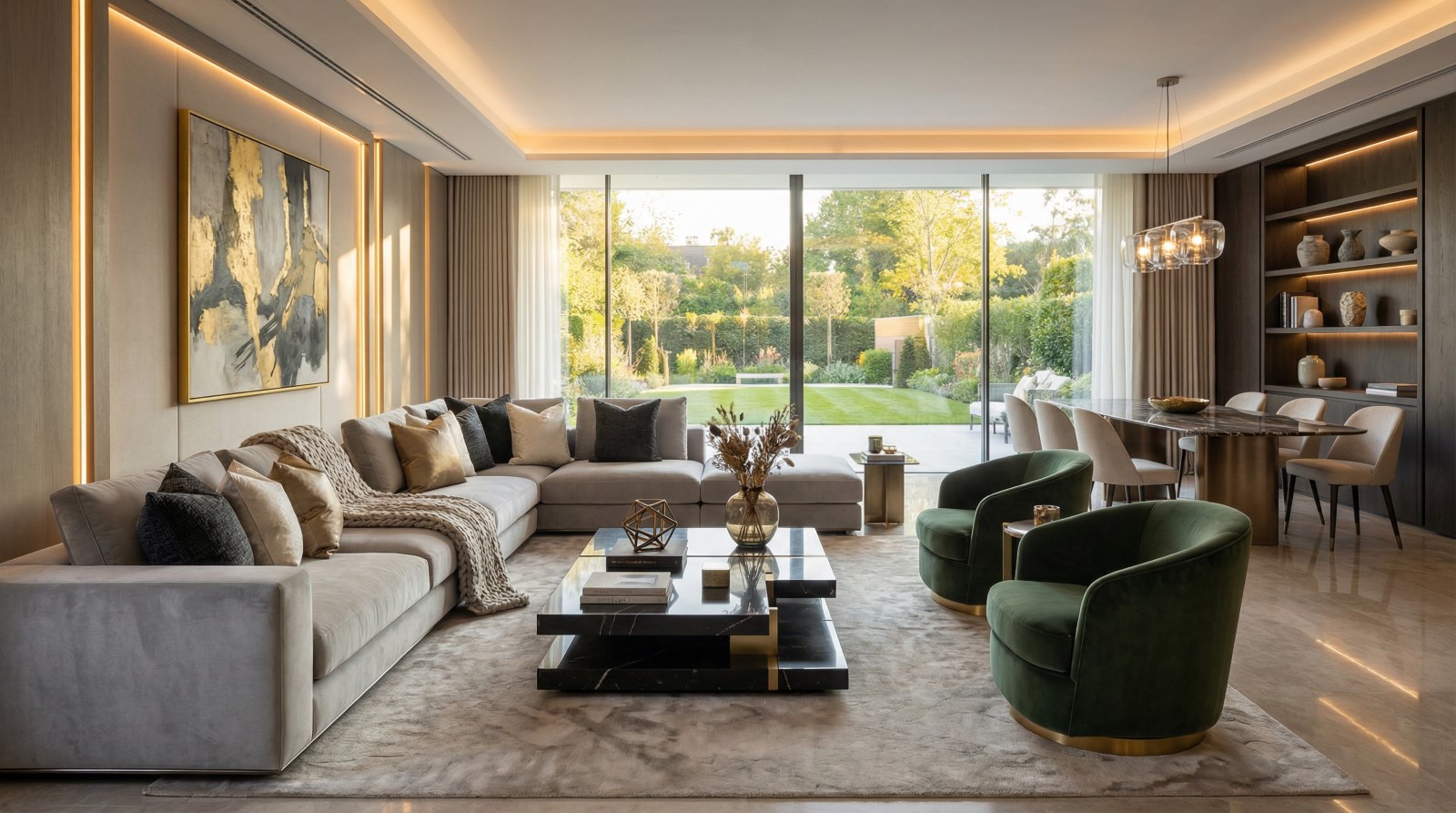
The British living room has quietly transformed. Fewer homes are designed around a single purpose sitting room. Instead, one space now accommodates relaxing, entertaining, home working, children, pets and personal downtime. The sofa sits at the centre of all of this.
This is why sofas have overtaken dining tables as the most considered furniture purchase in UK homes. Customers spend longer researching them, ask more questions about durability and materials, and increasingly want reassurance that what they buy will still feel right years down the line.
At Furniture in Fashion, our position as a UK retailer founded in 2007 with a 3.5 acre warehouse and showroom site in Bolton gives us direct visibility into how customers actually live with their sofas. We see returns, wear patterns, fabric feedback and long term satisfaction. That real world insight shapes every FIF branded sofa we design and stock.
Traditional sofa sets once dominated UK living rooms. Matching armchairs, formal proportions and upright seating were considered the default. That era is largely over.
Modern sofa furniture is designed around lifestyle first. Families want deeper seats, relaxed silhouettes and configurations that allow people to sit together naturally. This is why 3 plus 2 sets remain popular but are now softer in shape, why corner sofas have surged, and why modular thinking is influencing even fixed frame designs.
This shift is driven by how people use their homes. Streaming has replaced scheduled television. Phones and tablets encourage lounging rather than upright sitting. Open plan homes blur the boundary between kitchen, dining and living spaces. The sofa has adapted to all of this.
Furniture in Fashion designs and commissions its own FIF branded sofas in partnership with long standing manufacturing partners. This matters because it allows design decisions to be led by UK customer behaviour rather than supplier convenience.
Seat depth, cushion density, arm width and fabric performance are not abstract specifications. They are responses to thousands of customer interactions, showroom visits and after sales conversations. When customers tell us a sofa looks great but feels too firm after six months, that feedback feeds directly into the next production run.
Owning the design process also allows us to respond faster to trends. Rather than waiting for catalogue updates from external suppliers, FIF sofas evolve with how British homes are actually changing.
Fabric sofas dominate the UK market, and for good reason. They offer warmth, comfort and visual softness that leather rarely achieves in modern interiors. However, the biggest change in recent years is not colour but texture.
Flat weaves and overly smooth finishes are giving way to tactile fabrics that add depth without visual noise. Boucle, ribbed weaves and soft structured textiles are increasingly chosen because they feel inviting and photograph beautifully in natural light.
This trend exists because homes are becoming calmer. As digital life accelerates, people crave sensory comfort at home. A textured sofa subconsciously signals relaxation and approachability. It is no coincidence that boucle sofas surged alongside wellness driven interior design trends.
In FIF collections, textured fabrics are paired with neutral palettes to ensure longevity. A sofa should feel current without becoming dated. Texture achieves this balance better than bold patterns ever could.
Leather sofas still have a place in UK homes, but their role has changed. High gloss finishes and heavily padded designs have fallen out of favour. Instead, leather is now chosen for clean lines, practicality and subtle luxury.
Faux leather has also improved significantly. Advances in material technology mean modern faux leather sofas offer durability and ease of maintenance without the stiffness or artificial look of earlier versions. This makes them particularly popular in family homes and rental properties where longevity matters.
The trend toward darker greys, warm taupes and muted charcoals reflects a desire for grounded, timeless interiors rather than statement pieces. Leather sofas are now supporting players in a room rather than the dominant feature.
Corner sofas are no longer just about maximising seating. In open plan homes, they act as architectural tools. A corner sofa defines the living area, creates visual separation from dining or kitchen spaces, and anchors the room without the need for walls.
This explains why corner sofas remain one of the fastest growing sofa categories in the UK. They suit modern floor plans, encourage social seating arrangements, and offer flexibility for families who need space to stretch out.
The key trend within corner sofas is proportion. Oversized designs are being replaced by more refined footprints that still feel generous but do not overwhelm the room. Slim arms, raised legs and lighter visual profiles help corner sofas feel contemporary rather than bulky.
Colour in sofa furniture has become more restrained and more intentional. Loud statement colours have given way to layered neutrals with subtle warmth.
Soft greys remain popular but are shifting toward warmer undertones. Cream, stone, oatmeal and muted beige shades are increasingly chosen because they reflect light and make rooms feel larger. These colours work particularly well in UK homes where natural light can be limited.
Earth inspired tones such as clay, sand and soft olive are also emerging. These colours connect interiors to nature and pair well with wood, metal and stone finishes that are trending across coffee tables and storage furniture.
The reason behind this colour shift is longevity. Customers want sofas that will still feel right after redecorating or moving home. Neutral palettes provide flexibility and protect long term satisfaction.
Comfort is not subjective guesswork. It is the result of engineering choices. Seat depth, foam density, suspension systems and cushion construction all determine how a sofa feels over time.
One of the biggest mistakes shoppers make is testing sofas briefly in showrooms without considering long term comfort. A sofa that feels plush initially may lose support if materials are not balanced correctly.
FIF branded sofas are designed with medium firm support that softens naturally through use. This approach reflects real customer feedback. Most people want comfort that supports the body during long sitting periods rather than sinking excessively.
This is particularly important in homes where the sofa doubles as a workspace, reading area or family gathering point. Comfort today must be sustainable comfort.
While fully modular sofas remain niche in the UK, modular thinking has influenced fixed designs. Customers want flexibility without confusion.
This is why many modern sofas now feature reversible cushions, adaptable layouts and proportions that work in multiple room sizes. It allows customers to move home or rearrange spaces without replacing their sofa.
The trend exists because housing mobility has increased. People move more often, downsize or upsize, and expect furniture to adapt with them.
Sustainability in sofa furniture is less about buzzwords and more about durability. Customers increasingly understand that a sofa that lasts ten years is more sustainable than one replaced every two.
Quality frames, tested fabrics and replaceable components all contribute to this. FIF sofas are designed with long term use in mind, not seasonal turnover. This aligns with how British consumers now think about value.
The focus has shifted from disposable furniture to considered investment pieces that earn their place in the home.
Choosing a sofa is about understanding your space and lifestyle. Room size, light levels, household use and personal habits all matter more than trends alone.
A smaller living room benefits from raised legs, lighter colours and compact proportions. Larger spaces can handle deeper seats and corner configurations that encourage relaxed seating.
Homes with children or pets benefit from durable fabrics and practical finishes. Open plan layouts benefit from sofas that define zones without dominating the room.
These considerations are why category guidance matters. Buying a sofa is not about copying an image. It is about choosing a piece that fits how you live.
Looking ahead to 2026, sofa design will continue to prioritise adaptability, comfort and calm aesthetics. Homes will remain multifunctional, and furniture will support this reality.
Technology will quietly integrate into sofa design through better materials rather than visible features. Fabrics will become more stain resistant, frames lighter and stronger, and comfort more personalised.
The sofa will remain the emotional heart of the living room. Its role as a place of rest, connection and expression is only becoming more important.
Furniture in Fashion brings together UK market insight, direct design control and real operational infrastructure. Our Bolton based warehouse, quality control processes and after sales team ensure that sofas are not just sold but supported.
FIF branded sofas are developed with British homes in mind, informed by years of customer interaction rather than trend chasing. This is what allows us to lead the category rather than follow it.
When you choose a sofa from Furniture in Fashion, you are choosing a piece shaped by how people actually live.
Explore the full Sofa Furniture UK collection at Furniture in Fashion, Bolton UK
Payment options:







 Trusted UK Furniture Retailer
 Free Delivery Most UK
 Secure Payments
 Established UK Brand
 Pay Pal Credit


Payment options: