
 Established UK Brand
 PayPal Credit
Modern Storage Cabinets for Living Rooms: How to Choose the Right One for UK Homes
Part 1
A living room often becomes the busiest space in a home. It is where people relax, watch television, host guests and sometimes even work. Because of this, it quickly becomes a place where everyday items accumulate. Remote controls, books, electronics, games and decorative objects all compete for space.
Without the right storage furniture, a living room can begin to feel cluttered very quickly. This is why storage cabinets have become an essential part of modern living room design. A well chosen cabinet keeps everyday items organised while still contributing to the style of the room.
Modern storage cabinets are no longer just practical furniture pieces. They are also design features that help define the atmosphere of the living room. From sleek wooden units to contemporary wall units with clean lines, today’s options allow homeowners to combine functionality with visual appeal.
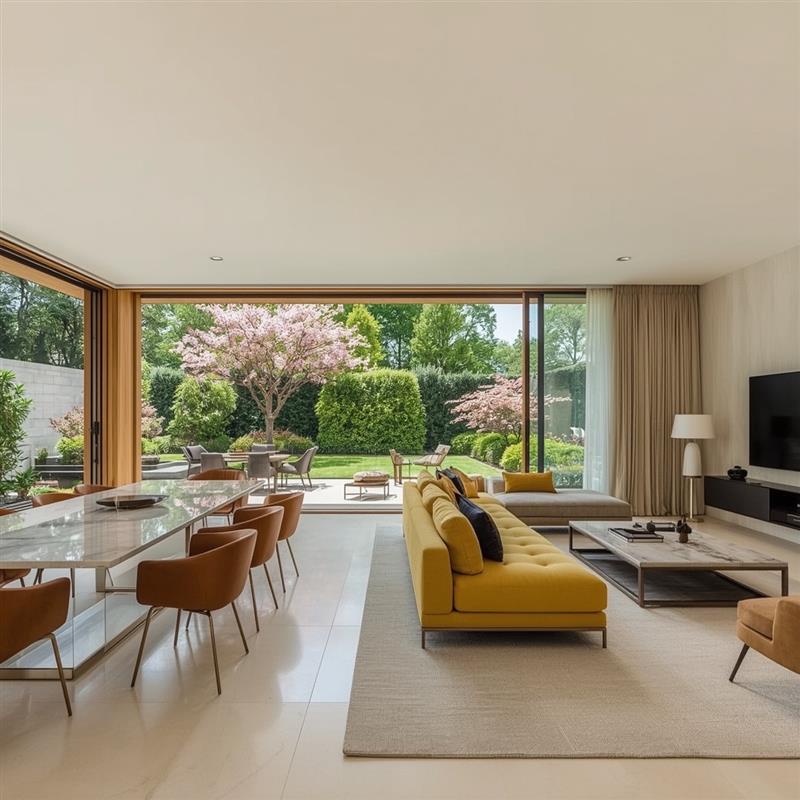
Understanding the Role of Storage Cabinets in the Living Room
Storage cabinets serve several purposes at once. They provide concealed storage, display space and structural balance within the room.
In many homes, cabinets sit beneath televisions, beside sofas or along feature walls. Their placement helps anchor the room visually and prevents furniture from feeling scattered.
Cabinets with doors are particularly popular because they hide clutter while maintaining a tidy appearance. Shelving alone can sometimes create visual noise if too many items are visible. Doors allow you to keep the room organised without constantly styling the shelves.
This is especially useful in UK homes where living rooms are often smaller than in other parts of the world. Concealed storage allows the space to feel calm rather than crowded.
Different Types of Living Room Storage Cabinets
There are several common styles of storage cabinets used in living rooms. Each one serves a slightly different purpose depending on the layout of the room.
Sideboards are one of the most versatile options. They provide a long horizontal surface that can be used for lamps, decorative items or televisions. Inside, they usually contain shelves or drawers that can store everything from board games to table linens.
Wall units offer a larger storage solution. These units often combine cabinets, shelving and media space into one piece of furniture. They can create a focal wall while providing plenty of storage.
Freestanding cabinets are another flexible option. Because they are not attached to the wall, they can be moved easily if the room layout changes. This makes them popular for renters or homeowners who enjoy rearranging furniture.
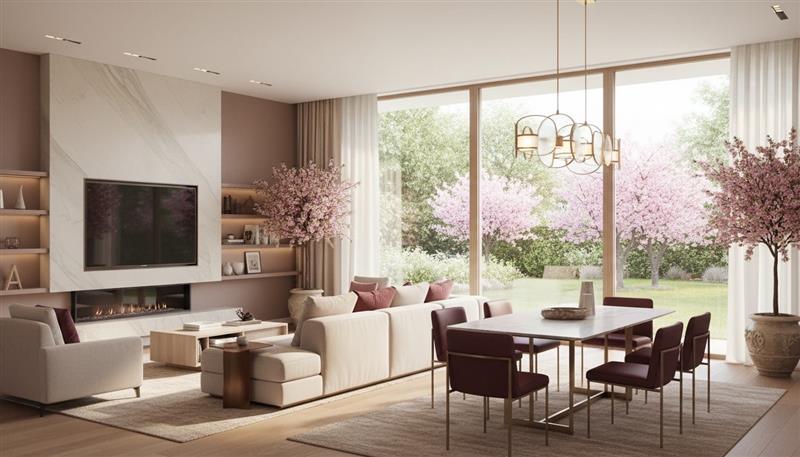
Choosing the Right Size for Your Living Room
Size plays a crucial role when selecting a storage cabinet. A cabinet that is too small may not provide enough storage, while an oversized unit can overwhelm the room.
Start by measuring the available wall space. Consider not only the width of the cabinet but also the depth. In narrow living rooms, deep cabinets can restrict movement between furniture.
Most living room storage cabinets range between 40 cm and 50 cm in depth, which provides enough storage while still maintaining comfortable circulation space.
Height also affects the visual balance of the room. Lower cabinets often work well beneath televisions or windows. Taller cabinets can be used along feature walls to maximise vertical storage.
In smaller UK living rooms, combining lower cabinets with floating shelves above them can create storage without making the room feel heavy.
Materials and Finishes That Suit Modern Interiors
Modern storage cabinets are available in a wide variety of materials. Wood remains one of the most popular choices because it adds warmth and natural texture to the room.
Oak finishes, walnut tones and light wood grains are frequently used in contemporary living rooms. These finishes pair well with neutral colour palettes and soft furnishings.
High gloss cabinets have also become popular in modern interiors. Their reflective surfaces help bounce light around the room, which can make smaller living rooms feel brighter and more spacious.
Metal accents and glass doors are often used to introduce contrast. These details can add a slightly industrial or modern touch depending on the overall design of the cabinet.
When choosing a finish, consider how it will interact with other furniture in the room. Matching tones between coffee tables, shelving and cabinets helps create a cohesive design.
Mini Summary
Modern storage cabinets help keep living rooms organised while contributing to the overall design of the space. Choosing the right size, style and finish ensures that the cabinet provides practical storage without overwhelming the room. Sideboards, wall units and freestanding cabinets each offer different advantages depending on the layout of the living room.
When you’re ready, I’ll continue with:
This next article will also naturally support ranking for:
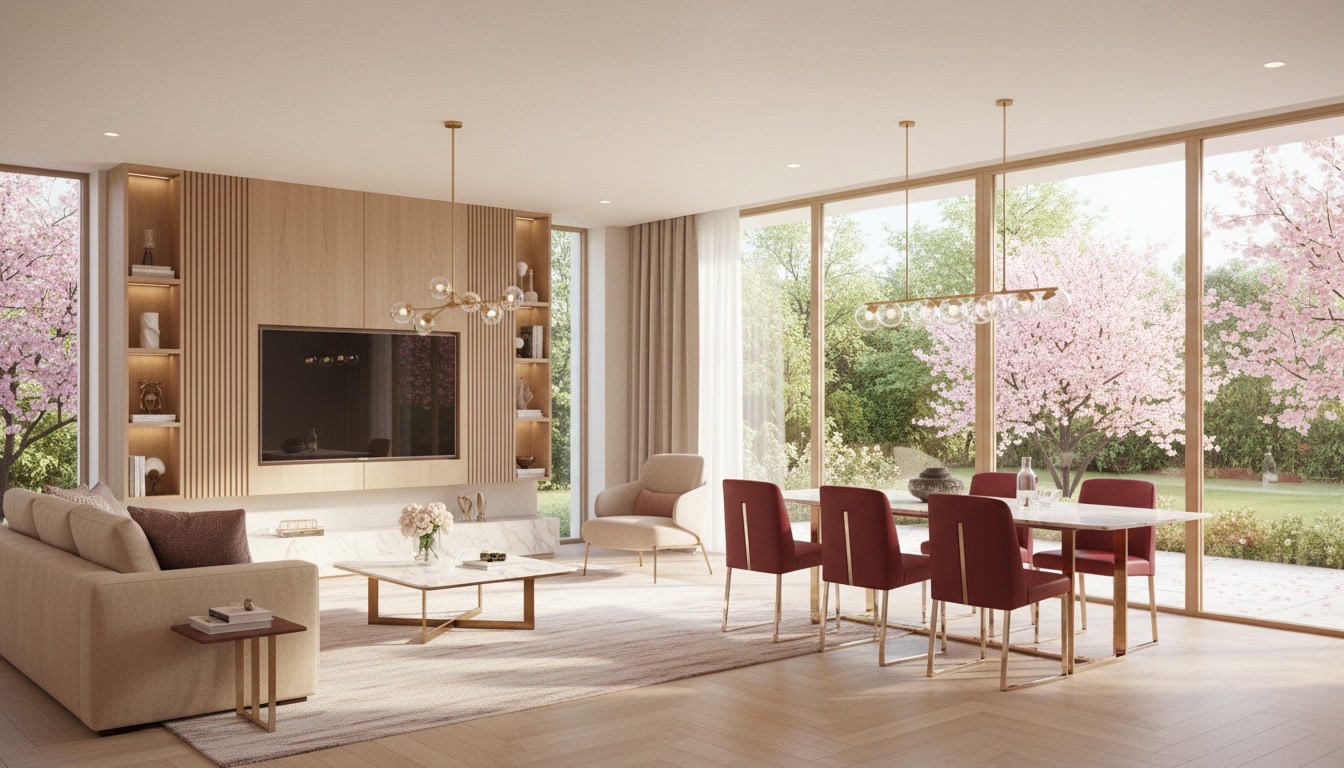
Part 2: Choosing Between Freestanding Cabinets and Wall Units
When selecting storage for a living room, one of the first decisions is whether to choose a freestanding cabinet or a wall unit. Both options provide storage, but they influence the layout and atmosphere of the room in different ways.
Freestanding cabinets are often the most flexible choice. Because they are not attached to the wall, they can be moved if the room layout changes. This makes them particularly useful for homeowners who like to rearrange furniture or for renters who want storage that can move with them.
These cabinets are commonly placed along feature walls, beside sofas or underneath televisions. Their versatility allows them to work in both large and small living rooms.
Wall units, on the other hand, create a more structured focal point. They often combine shelving, cabinets and media space into one large piece of furniture. A well designed wall unit can organise an entire living room wall while providing both concealed and open storage.
However, wall units should be chosen carefully in smaller UK living rooms. If the unit is too bulky, it can make the room feel enclosed. Slimmer wall units with open shelving often work better in compact spaces because they provide storage without blocking light.
Storage Cabinets with Doors vs Open Shelving
Another common decision is whether to choose cabinets with doors or open shelving.
Cabinets with doors offer a cleaner and more organised look because they hide clutter. Items such as cables, electronics, magazines and everyday objects can be stored inside without affecting the visual appearance of the room.
This makes them particularly useful in family homes where living rooms are used daily and items accumulate quickly.
Open shelving, on the other hand, allows decorative items to be displayed. Books, plants, artwork and ornaments can add personality to the living room. However, too much open shelving can sometimes make the room feel busy if it is not styled carefully.
Many modern storage cabinets combine both options. Lower sections often include closed cabinets, while upper shelves remain open for display items. This balance allows homeowners to keep practical items hidden while still creating visual interest.
Using Storage Cabinets to Define Living Room Zones
In open plan homes, storage cabinets can help define different areas of the room. A cabinet placed behind a sofa, for example, can create a subtle separation between the living space and dining area.
Low sideboards can also function as media units, providing a surface for televisions while offering storage beneath.
This type of furniture placement is especially useful in modern flats where the living room and dining room share the same space. Instead of adding walls, furniture can help organise the layout naturally.
Styling the Top of a Storage Cabinet
The top surface of a cabinet provides an opportunity to introduce decorative elements into the room. However, it is important to avoid overcrowding.
A simple styling approach usually works best. Many designers follow the rule of grouping items in threes to create visual balance.
For example, you might place:
This creates interest without making the cabinet look cluttered.
Larger cabinets can also support table lamps, which add warmth to the room in the evening. Lighting placed on top of storage furniture can create a soft layered effect that makes the living room feel more comfortable.
Storage Cabinets and TV Units
Many homeowners combine storage cabinets with their television setup. In this case, the cabinet often doubles as a TV stand or media unit.
When used this way, the cabinet should be wide enough to support the television comfortably. For example, if the television measures around 145 cm wide, the cabinet should extend slightly beyond the edges of the TV to maintain visual balance.
Shelving inside the cabinet can store gaming consoles, streaming devices and other electronics. Cable management openings are also useful because they allow wires to remain hidden.
Choosing a cabinet that works both as storage and a TV unit can simplify the overall living room layout while keeping everything organised.
Considering Depth and Circulation Space
Depth is an important measurement when choosing storage cabinets. In narrow living rooms, deep furniture can restrict movement.
Most modern living room cabinets are between 40 cm and 50 cm deep, which provides sufficient storage without taking up too much floor space.
If the room is particularly narrow, look for cabinets closer to 35 cm deep. These slimmer designs can still store books and smaller items while maintaining comfortable circulation space.
Always leave enough room between furniture pieces so people can move easily through the room. Even a beautifully designed cabinet can feel intrusive if it blocks natural walkways.
Combining Storage Cabinets with Other Living Room Furniture
Storage cabinets work best when they complement the other furniture in the room. Coffee tables, side tables and shelving units should feel visually connected rather than completely different in style.
For example, if the cabinet has a light oak finish, choosing a coffee table in a similar tone can create cohesion. Matching colours or materials does not mean every piece must be identical, but some consistency helps the room feel thoughtfully designed.
Mixing materials can also add interest. A wooden cabinet paired with metal framed shelving or glass tables can create contrast without feeling chaotic.
Mini Summary
Freestanding cabinets offer flexibility, while wall units create structured storage. Cabinets with doors help hide clutter, while open shelving allows decorative display. When placed carefully, storage cabinets can define living room zones, support television setups and provide practical organisation. Choosing the correct depth and coordinating finishes with other furniture helps maintain a balanced and spacious layout.
Payment options:







 Trusted UK Furniture Retailer
 Free Delivery Most UK
 Secure Payments
 Established UK Brand
 Pay Pal Credit


Payment options: