
 Established UK Brand
 PayPal Credit
Living room furniture in the United Kingdom plays a central role in how homes are experienced day to day. The living room is where families relax after work, where guests are welcomed, and where much of daily life unfolds. As British homes have evolved, so too has the way living rooms are furnished, shifting away from formal layouts towards spaces designed for comfort, flexibility, and everyday use.
Modern UK living rooms must often serve multiple purposes within limited space. Whether in compact city flats, terraced houses, or open-plan family homes, furniture choices now need to balance appearance with practicality. Comfort, durability, proportion, and layout are just as important as visual style, if not more so.
This guide explores how living room furniture is chosen and used in the UK today, focusing on space planning, atmosphere, and long-term comfort rather than short-term trends.
.jpg "Flux Dev")
In contemporary British homes, the living room is no longer a room reserved for special occasions. It is the most frequently used space in the house, supporting everyday routines, family time, and social interaction. As lifestyles have changed, living rooms have become more relaxed, informal, and adaptable.
Rising property prices and smaller floor plans have increased the need for furniture that works efficiently within limited space. Many living rooms now combine relaxation, entertainment, and even home working. This has led to a greater focus on furniture that supports real life rather than purely decorative layouts.
The shift from formal seating arrangements to softer, more flexible spaces reflects how British households live today. Comfortable sofas, layered textiles, and thoughtful layouts help create rooms that feel welcoming and easy to use, rather than staged or overly structured.

Colour has a powerful influence on how a living room feels. In the UK, where natural light levels change significantly throughout the year, soft and adaptable colour palettes tend to work best. Neutral tones such as warm grey, cream, stone, beige, and muted taupe help create calm, balanced interiors that can be easily updated with accessories.
Rather than dominating a room, colour is often used as a backdrop. This allows furniture, textures, and light to shape the overall atmosphere. Accent colours are usually introduced through cushions, throws, artwork, or decorative objects, making it easier to refresh the space without major changes.
Natural light is one of the most valuable features of a living room and should always be considered when planning furniture and window treatments. Heavy curtains or bulky furniture that block windows can make rooms feel darker and smaller. Lightweight curtains, blinds, or layered window treatments allow daylight to filter through while maintaining privacy.
Texture plays an equally important role in creating warmth. Upholstered seating, woven rugs, natural wood finishes, ceramics, and indoor plants prevent neutral spaces from feeling flat. These elements add depth and interest without overwhelming the room, helping living rooms feel comfortable and lived in.
A well-planned living room layout supports everyday life. Clear walkways, balanced furniture placement, and natural sightlines help rooms feel calm and functional. In UK homes, where living rooms are often rectangular or compact, layout planning is essential.
Before choosing furniture, it is important to consider how the room is used. A living room designed for family evenings will have different needs to one used mainly for entertaining or quiet relaxation. Understanding these patterns helps guide furniture placement and scale.
Starting With the Shape of the Room
Doors, windows, fireplaces, and walkways all influence where furniture can sit. Rather than fighting these features, successful layouts work with them. In long or narrow rooms, grouping furniture into a defined seating area prevents the space from feeling like a corridor.
Clear circulation paths should always be maintained. Moving through the room should feel natural, without weaving around sofas or coffee tables. Even small adjustments to furniture placement can significantly improve how a room feels.
Sofa Placement and Seating Balance
The sofa is the anchor of the living room and should be positioned first. In many UK homes, sofas are pushed flat against walls to save space. While this can work in very small rooms, it often makes layouts feel rigid.
Where space allows, pulling the sofa slightly away from the wall helps define the seating area and creates better balance. In longer rooms, positioning the sofa across the width of the space rather than along the length can improve proportion and zoning.
Corner sofas work well in family living rooms and open-plan spaces, creating a natural focal point for socialising. In smaller rooms, a two or three-seater sofa paired with an armchair often feels lighter and more flexible. Seating should face towards each other where possible, encouraging conversation rather than lining furniture along the walls.
Proportion and Scale
Choosing furniture that suits the scale of the room is crucial. Oversized sofas, bulky arms, or deep seating can quickly overwhelm typical UK living rooms. Slimmer profiles, raised legs, and balanced proportions help maintain a sense of space.
Coffee tables should sit comfortably within reach of seating without blocking walkways. There should be enough room to move around the table easily. Round or oval tables often work well in tighter spaces, improving flow and reducing visual weight.
Using Rugs to Define Space
Rugs play an important role in anchoring furniture and defining seating areas, especially in open-plan homes. A rug should be large enough for at least the front legs of sofas and chairs to sit on it. Rugs that are too small can make furniture feel disconnected and shrink the space visually.
Neutral rugs with subtle texture work well in most UK living rooms, allowing furniture and layout to remain the focus rather than bold patterns.
Storage That Supports Everyday Living
Storage is essential in modern living rooms, particularly in homes where space is limited. Sideboards, TV media units, shelving, and console tables help keep rooms organised without creating clutter.
Closed storage is especially useful in family homes, maintaining a calm visual environment. Open shelving works best when styled with restraint, allowing space between objects. Multifunctional furniture such as storage ottomans or coffee tables with drawers provides practical solutions without adding extra pieces.
Many UK homes face space constraints, making careful furniture choices essential. In smaller living rooms, fewer pieces chosen thoughtfully often work better than trying to fit everything in.
Slim sofas with raised legs help maintain a sense of openness. Compact coffee tables or nesting tables offer flexibility without bulk. Wall-mounted shelving or low storage units keep floor space clear, helping rooms feel larger.
If a piece of furniture forces you to adjust how you move through the room, it is likely too large for the space. Comfort should never come at the expense of usability.
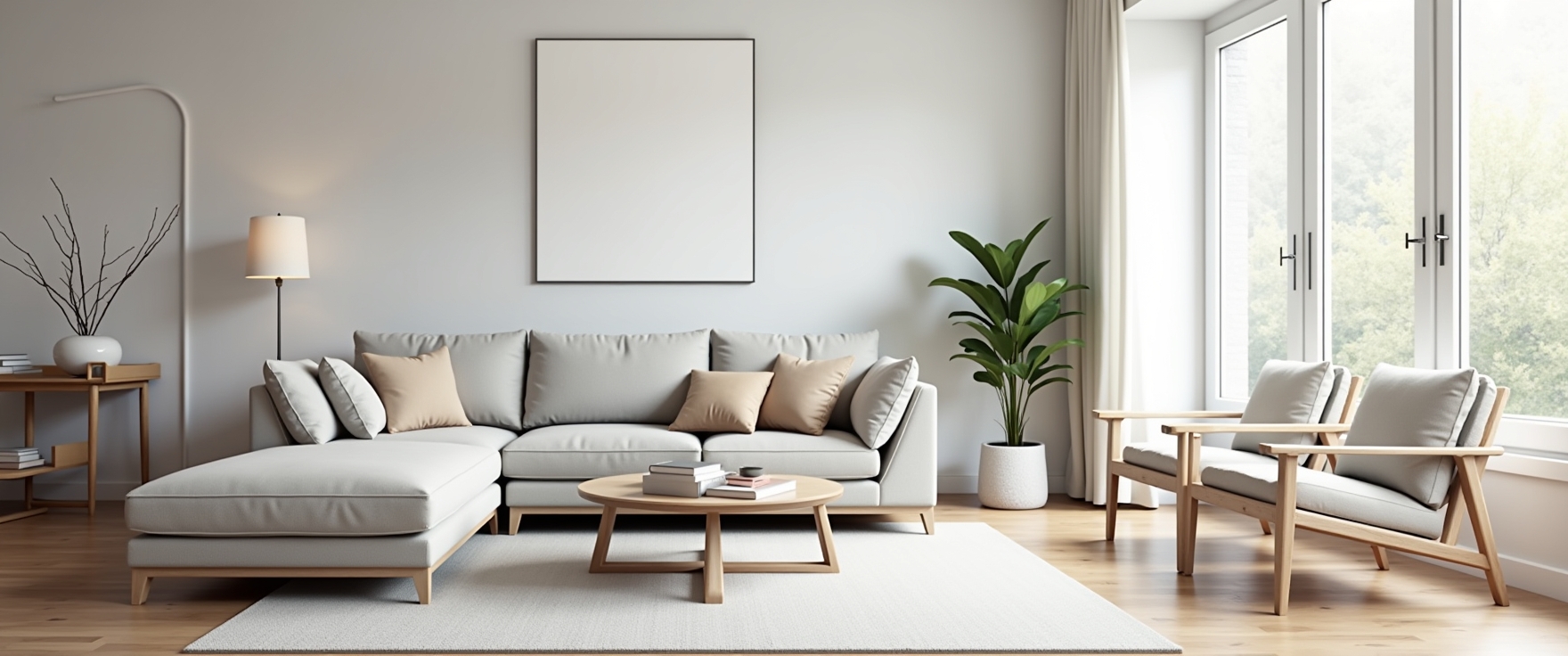
Once layout, light, and atmosphere are considered, the final step is choosing furniture that will stand up to everyday life. In UK homes, living room furniture is used constantly, making comfort and durability just as important as appearance.
Sofas should provide supportive seating that holds its shape over time. Well-constructed frames, quality upholstery, and balanced cushioning contribute to long-term comfort. Tables and storage furniture should feel sturdy and practical, especially in busy households.
Buying living room furniture online has become increasingly popular in the UK, offering convenience and wider choice. Trusted retailers with clear product information, reliable delivery, and transparent customer support make it easier to furnish a living room with confidence. Measuring carefully and considering how each piece fits into the overall layout helps avoid costly mistakes.
Furniture in Fashion offers a wide range of living room furniture designed for modern UK homes, combining contemporary design with everyday practicality. With free UK delivery and a focus on comfort, value, and durability, it provides reassurance when investing in furniture that will be used daily.
Living room furniture in the United Kingdom is not about following trends or filling space. It is about creating a room that feels comfortable, balanced, and suited to real life. Thoughtful planning, sensible layouts, and furniture that fits the scale of the room help living spaces feel welcoming and easy to live in.
By considering how the room is used, supporting natural light, and choosing furniture that offers lasting comfort, living rooms can evolve naturally over time. With careful choices and a practical approach, creating a stylish and functional living room becomes a confident and rewarding process.
Even with careful planning, certain living room furniture mistakes are common in UK homes. One of the most frequent issues is choosing furniture that is too large for the space. Oversized sofas, deep seating, or bulky storage units can quickly overwhelm a room, making it feel cramped and difficult to move around. In smaller British living rooms, scale matters more than statement.
Another common mistake is prioritising appearance over comfort. A sofa may look stylish, but if it lacks proper support or feels awkward to sit on, it will quickly become frustrating in everyday use. Living rooms are spaces for long evenings and regular use, so comfort should never be an afterthought.
Poor layout planning can also affect how a room feels. Pushing all furniture against walls often creates rigid, unbalanced spaces. While this may seem like a way to save space, it can make rooms feel less inviting. Equally, placing furniture without considering walkways can disrupt natural movement through the room.
Blocking natural light is another issue seen in many UK homes. Tall furniture placed in front of windows, heavy curtains, or dark finishes can make living rooms feel smaller and darker, particularly during winter months. Supporting natural light helps rooms feel more open and comfortable year-round.
Finally, overfilling a living room with too many pieces can create visual clutter. Choosing fewer, well-proportioned items allows the room to breathe and function more effectively, making it easier to live in and enjoy over time.
How do I choose the right size sofa for my living room?
Start by measuring your space carefully, including walkways and door access. In most UK homes, sofas with slimmer arms and balanced proportions work better than oversized designs. Leave enough room to move comfortably around the sofa and ensure it does not block natural light or dominate the layout.
What is the best layout for a small UK living room?
In smaller living rooms, fewer pieces placed thoughtfully usually work best. A compact two or three-seater sofa paired with an armchair often feels lighter than a large corner sofa. Using rugs to anchor seating and keeping storage low helps maintain a sense of space.
Should living room furniture always match?
Matching furniture sets are no longer essential. Many UK homes benefit from mixing complementary pieces that share similar tones or materials. This creates a more relaxed, lived-in feel and allows the room to evolve over time.
Are neutral colours better for living rooms?
Neutral colours tend to work well in UK living rooms because they respond better to changing light throughout the year. Shades such as grey, beige, cream, and natural wood tones provide a flexible base that can be updated easily with accessories.
What should I prioritise when buying living room furniture?
Comfort, durability, and proportion should come before trends. Furniture that suits the size of your room and supports everyday use will always provide better long-term value than pieces chosen purely for appearance.
Designing a living room that truly works starts with thoughtful planning and furniture chosen for real life. By focusing on comfort, proportion, and everyday usability, it becomes easier to create a space that feels welcoming, balanced, and personal.
If you’re ready to start furnishing your living room, Furniture in Fashion offers a wide range of modern living room furniture designed for UK homes. From comfortable sofas and practical coffee tables to stylish storage and complete living room solutions, you can explore furniture that combines contemporary design with everyday durability.
Shop online today with free delivery Most UK and discover living room furniture that’s made to be lived in.
Furniture in Fashion, Bolton UK
Payment options:







 Trusted UK Furniture Retailer
 Free Delivery Most UK
 Secure Payments
 Established UK Brand
 Pay Pal Credit


Payment options: