
 Established UK Brand
 PayPal Credit
Part 1: Why Space Is the Defining Factor in UK Living Rooms
In the UK, the size and shape of living rooms influence furniture choices more than almost anything else. While interior inspiration often shows generous layouts and wide open spaces, the reality for many households is very different. Flats, terraces, and even newer builds often have living rooms that are compact, narrow, or shared with other functions.
This does not mean these rooms are limiting. It means they require more thoughtful furniture choices. Living room furniture that works well in small UK spaces focuses less on making a statement and more on supporting everyday life without creating friction. When furniture is chosen carefully, even modest rooms can feel comfortable, balanced, and easy to live in.
One of the biggest challenges in smaller living rooms is circulation. Furniture that blocks natural walking routes or sits too close to doorways can make a room feel awkward, even if the individual pieces look attractive. This is why proportion matters more than quantity. Fewer pieces that fit well almost always outperform crowded layouts filled with oversized furniture.
Another common issue is visual weight. Bulky sofas, heavy storage units, and large tables can quickly dominate a small living room, making it feel closed in. Furniture that feels visually lighter allows the room to breathe. This does not mean sacrificing comfort. It means choosing designs that respect the scale of the space.
In many UK homes, living rooms also need to adapt to changing needs. A room that works for relaxing in the evening may also need to accommodate working from home, entertaining guests, or family activities. Furniture that supports this flexibility becomes far more valuable than pieces chosen purely for appearance.
Understanding these realities is the first step toward choosing living room furniture that genuinely works in smaller UK spaces.
Part 2: Choosing Living Room Furniture That Maximises Space and Comfort
When space is limited, every furniture choice carries more weight. Sofas, tables, and storage must earn their place in the room. The goal is not to make the room feel empty, but to make it feel usable.
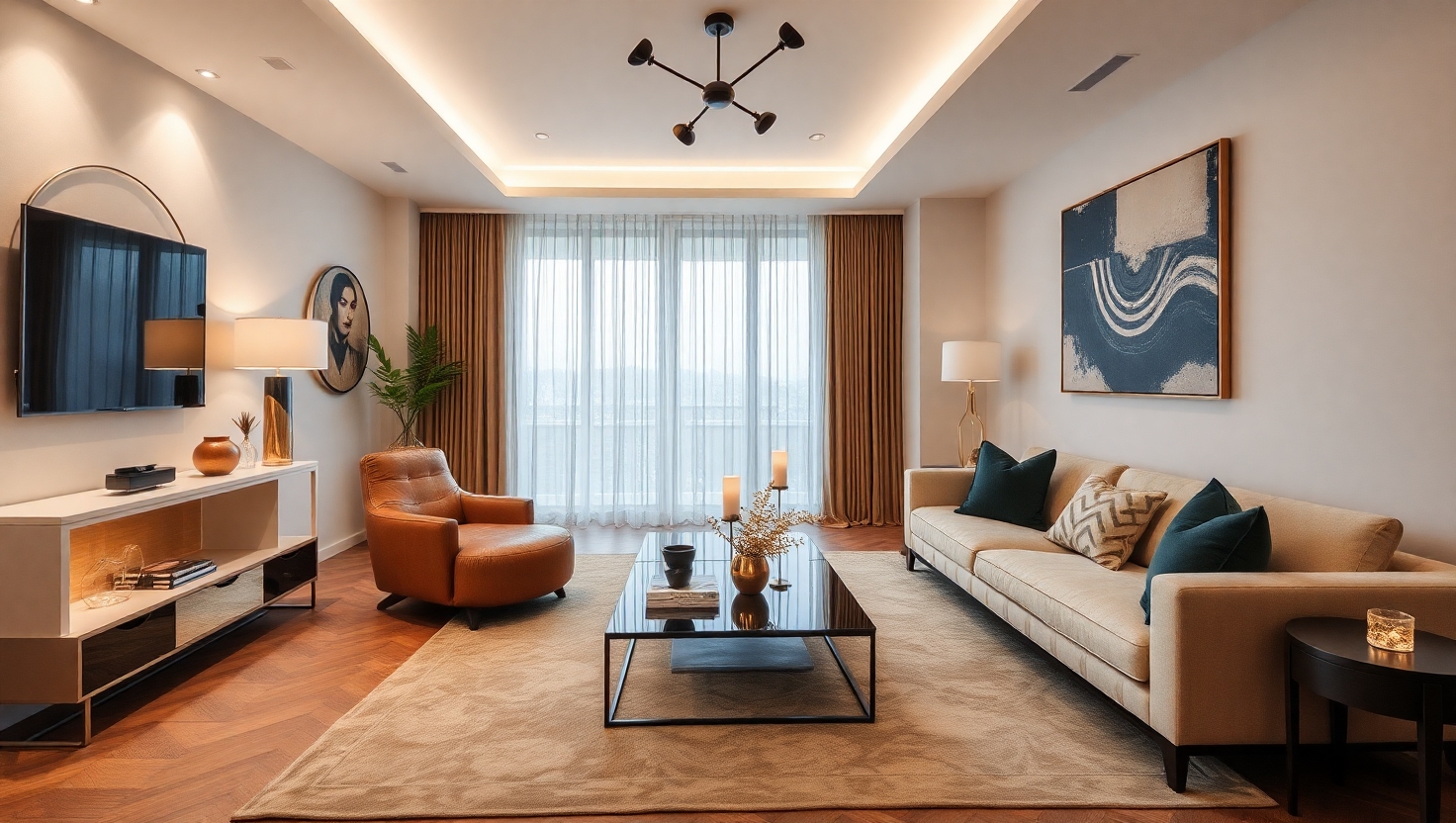
Sofas are usually the largest piece of living room furniture, and their size has a major impact on how the room functions. In small UK living rooms, sofas with balanced seat depth and slimmer arms often work best. A sofa that is too deep can reduce walking space, while one that is too low can feel uncomfortable over time. Choosing a sofa that sits slightly off the floor can also help create a sense of openness.
Coffee tables are another area where proportion matters. Large, solid tables can dominate a small room, even if there is technically enough space for them. Smaller tables, nesting designs, or tables with open frames tend to work better. They provide a surface when needed without visually filling the room.
TV units and storage furniture also need careful consideration. In small living rooms, storage that spreads horizontally can quickly overwhelm the space. Slimline TV units, wall-mounted options, or furniture that combines multiple functions help keep the room organised without cluttering it.
Open shelving can be useful, but only when used sparingly. Too much open storage can make a small room feel busy. Closed storage, such as cupboards and drawers, often helps maintain a calmer atmosphere, especially in spaces that are used daily.
Lighting and furniture placement work together in small living rooms. Furniture that blocks windows or absorbs light can make a room feel smaller than it is. Arranging furniture to allow light to move through the space helps maintain balance and comfort.
Part 3: Making Small Living Rooms Feel Settled, Not Temporary
One of the risks in small living rooms is treating the space as temporary. Furniture is often chosen quickly, with the intention of upgrading later. In practice, these temporary choices often stay far longer than expected, leading to rooms that never quite feel finished.
Choosing living room furniture that fits properly from the start helps the room feel settled. When furniture works with the space rather than against it, the room becomes easier to live in and more enjoyable over time.
Flexibility remains important, even in compact rooms. Modular seating, coordinated furniture ranges, and adaptable storage allow changes without replacing everything. This is especially useful in UK homes, where moving house or reconfiguring layouts is common.
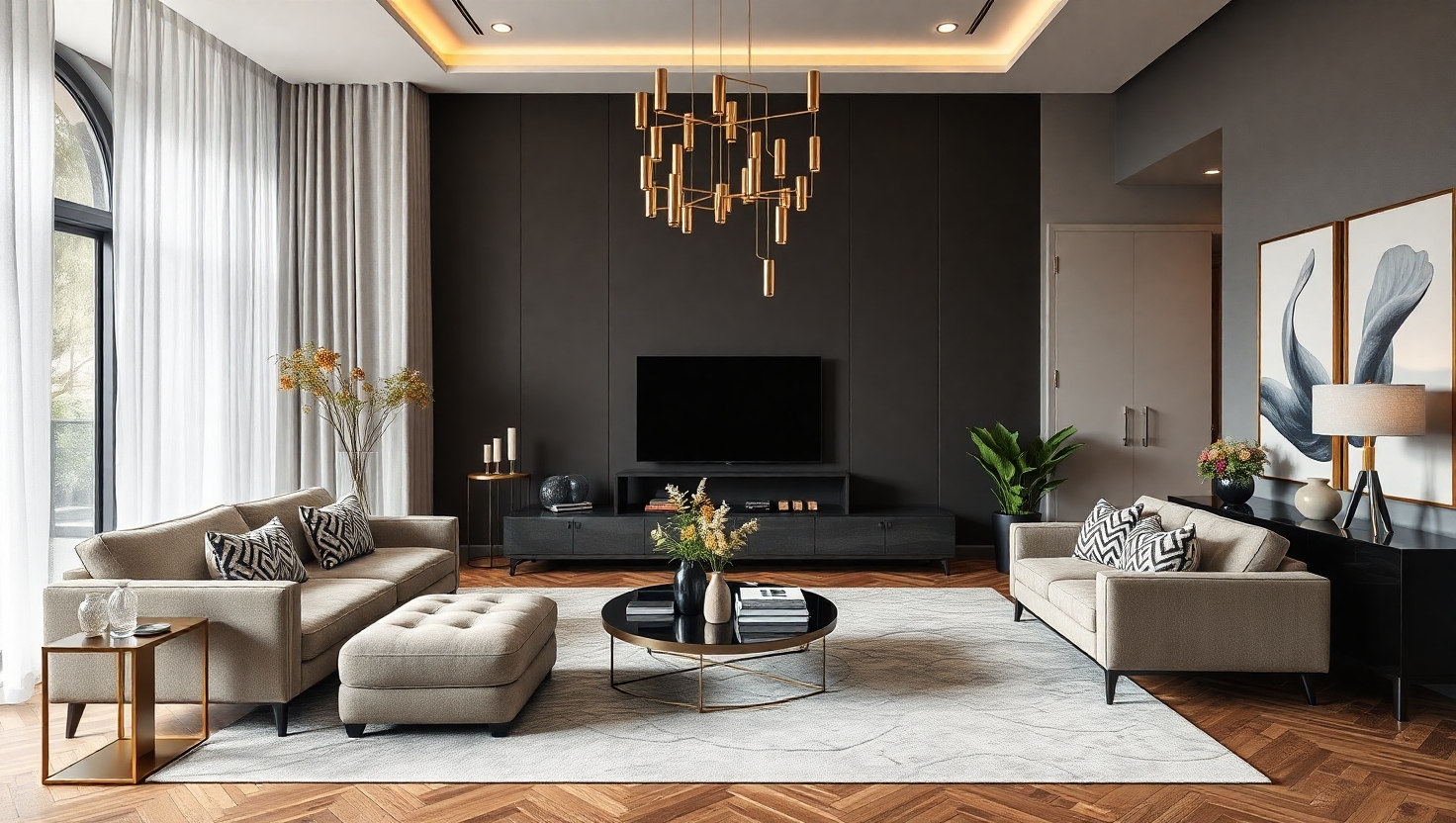
Storage plays a quiet but critical role in small living rooms. Without enough storage, clutter builds up quickly. Well-placed sideboards, TV units with cupboards, and discreet storage coffee tables help keep everyday items contained. This allows the room to feel calmer, even when it is used frequently.
Comfort should never be sacrificed because of size. A small living room can still feel welcoming when seating is comfortable and furniture is placed thoughtfully. Soft furnishings, balanced layouts, and furniture that suits the room’s scale all contribute to a space that feels complete rather than compromised.
Living room furniture that fits small UK spaces is not about doing without. It is about choosing pieces that work harder, fit better, and support real life. When done well, small living rooms can feel just as comfortable and inviting as larger ones.
Payment options:







 Trusted UK Furniture Retailer
 Free Delivery Most UK
 Secure Payments
 Established UK Brand
 Pay Pal Credit


Payment options: